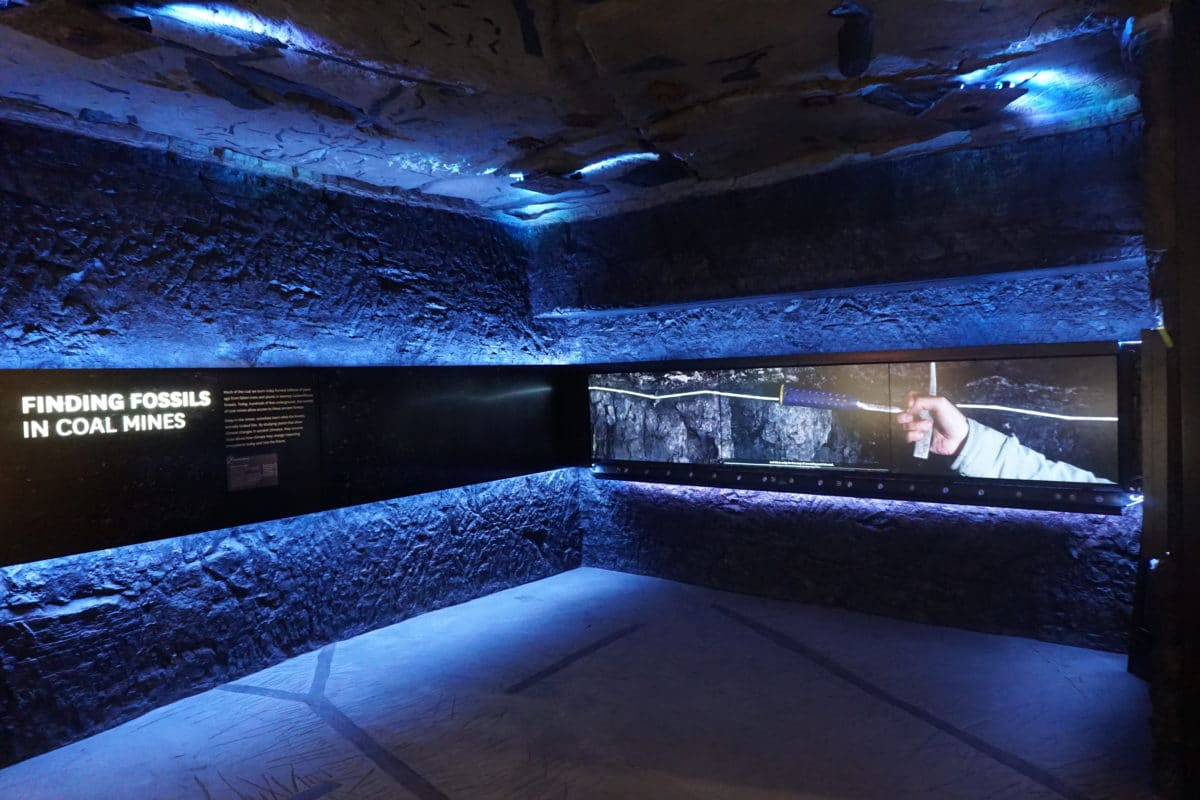
Smithsonian National Museum of Natural History Fossil Hall
Smithsonian National Museum of Natural History | 2014-2019
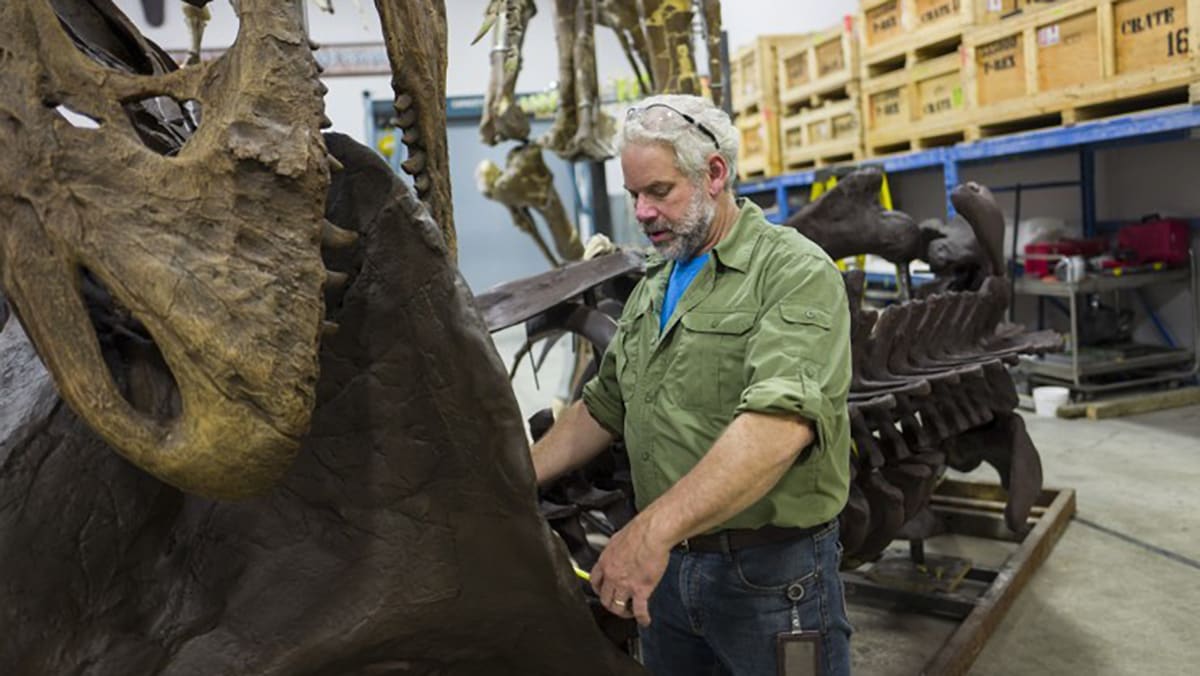
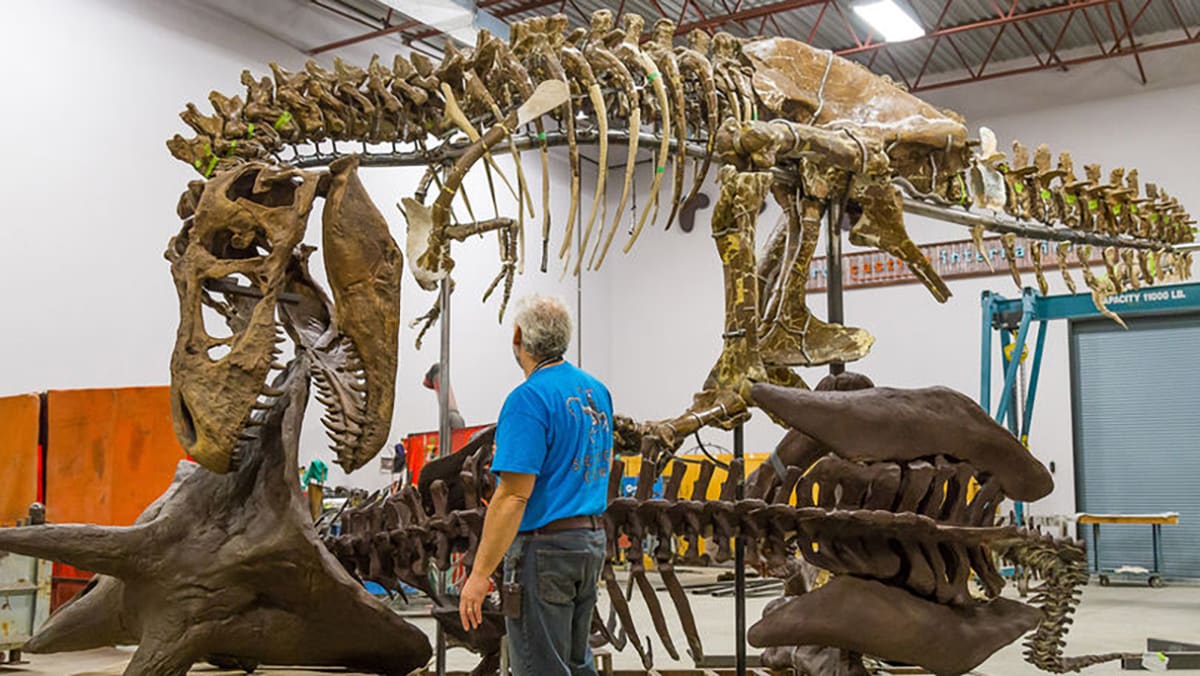
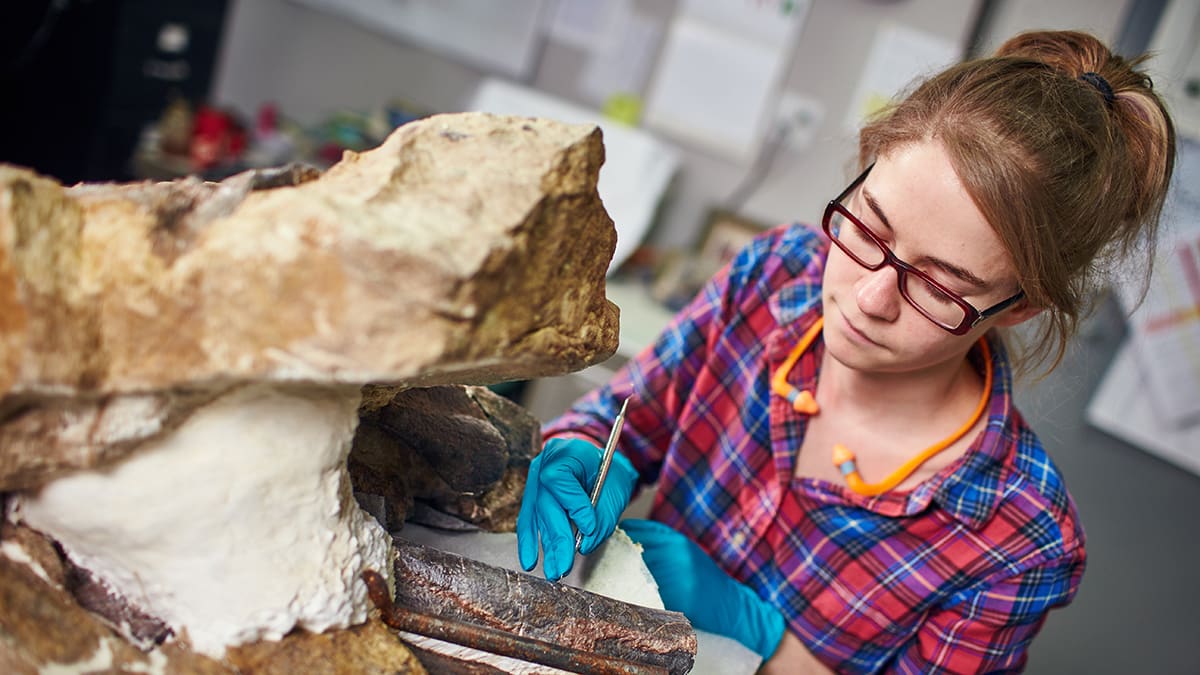
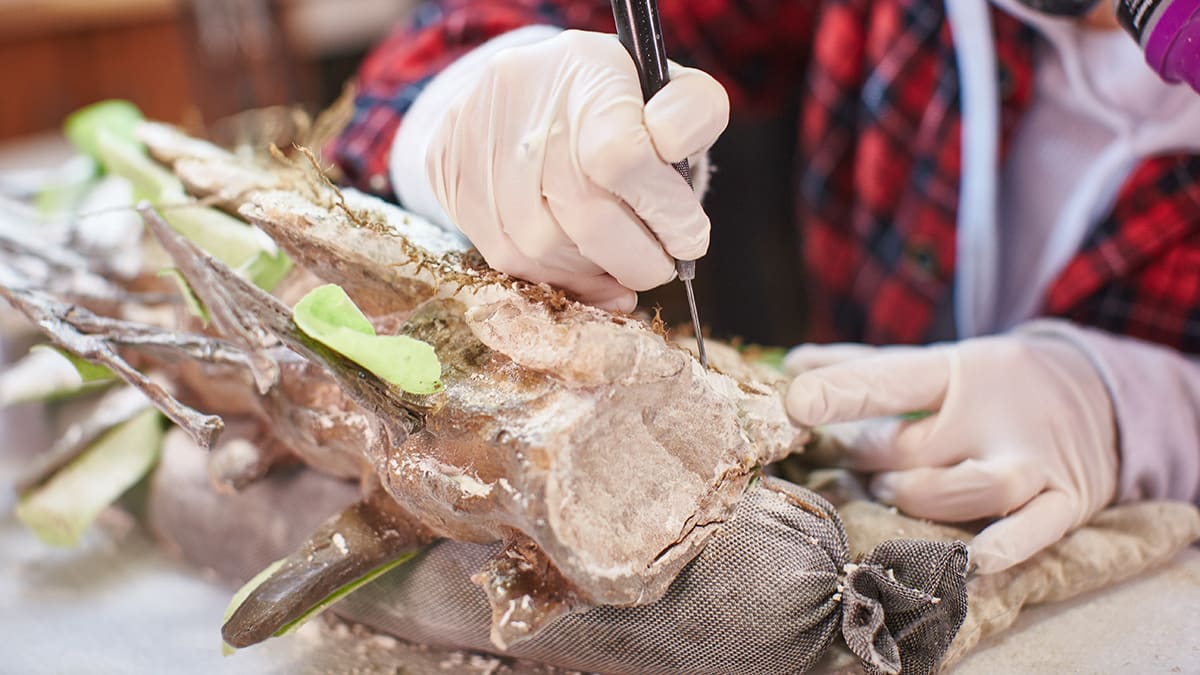
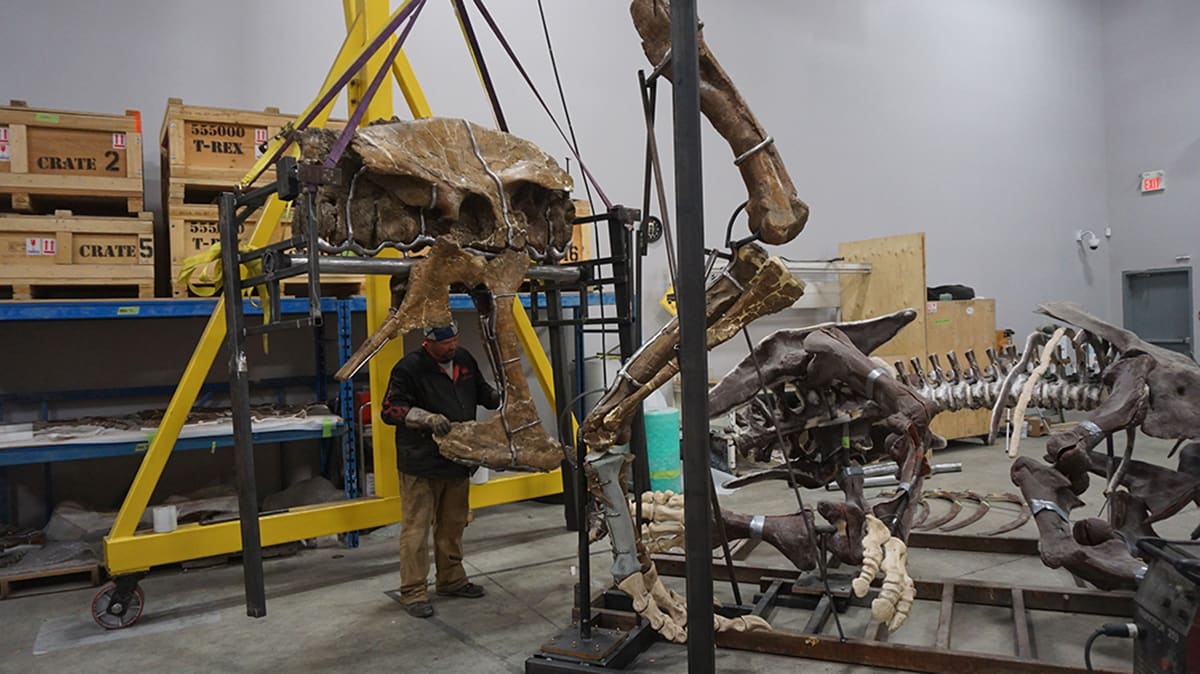
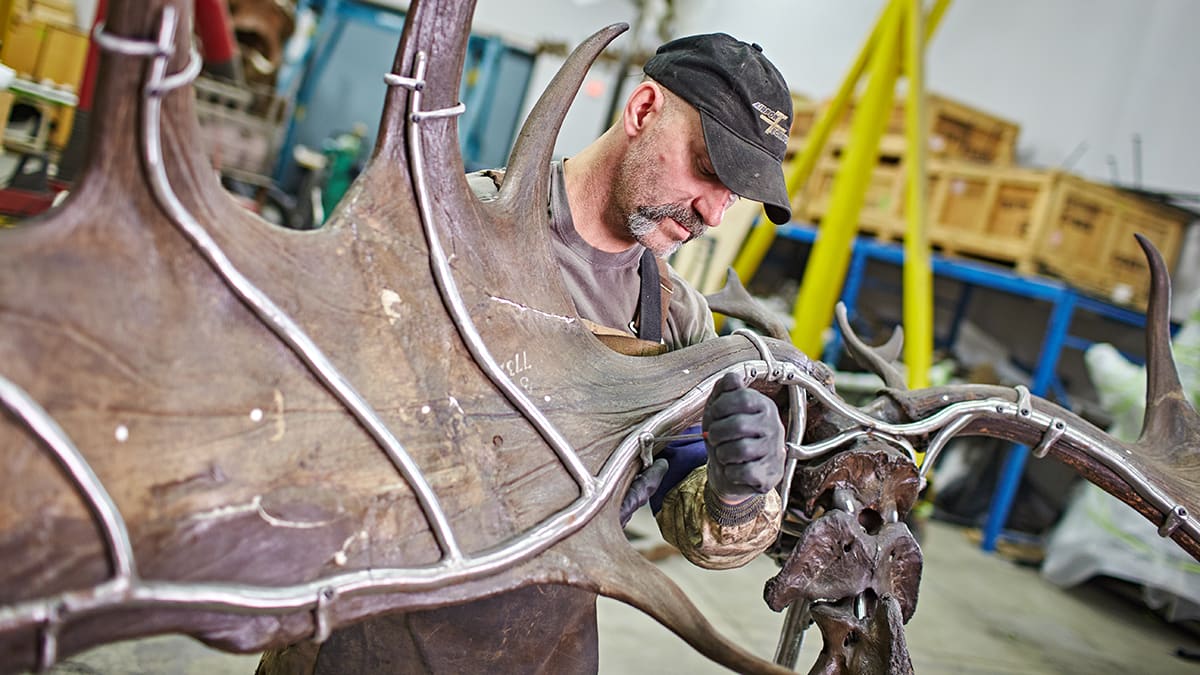
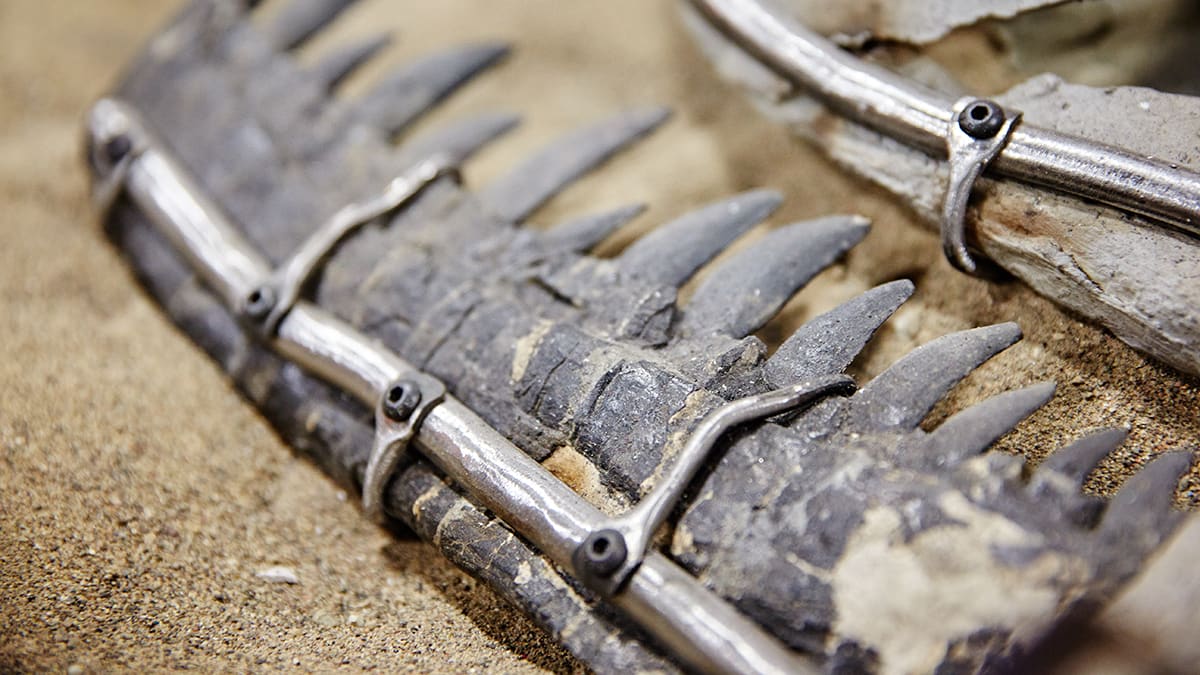
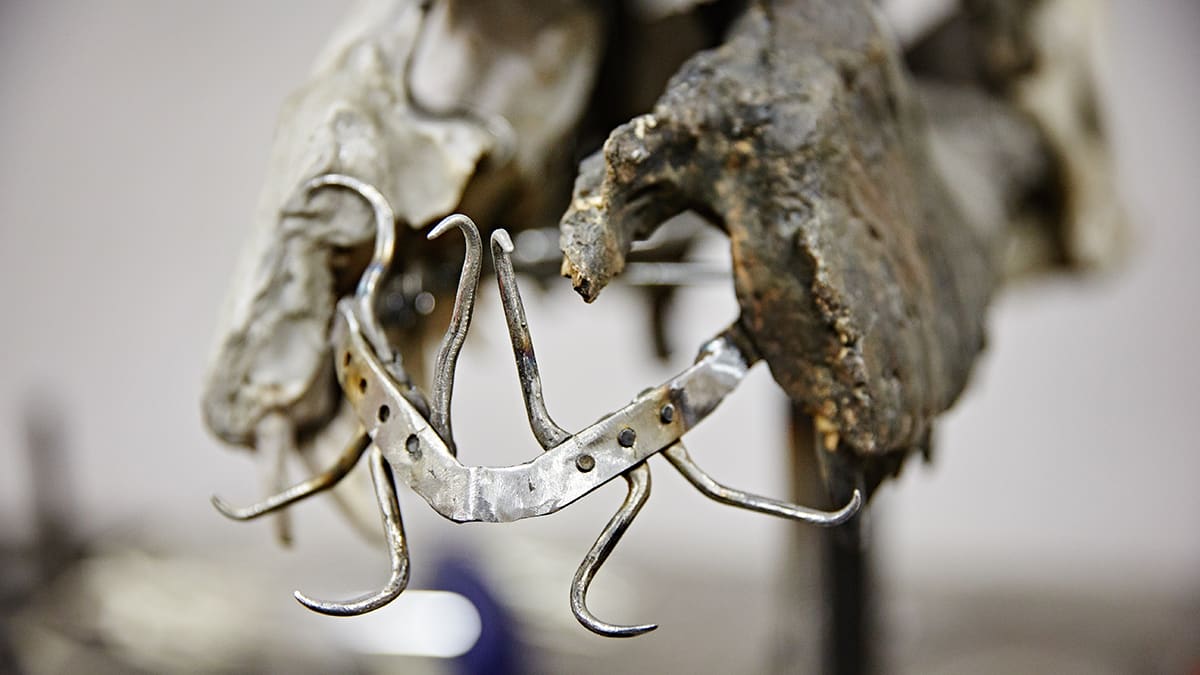
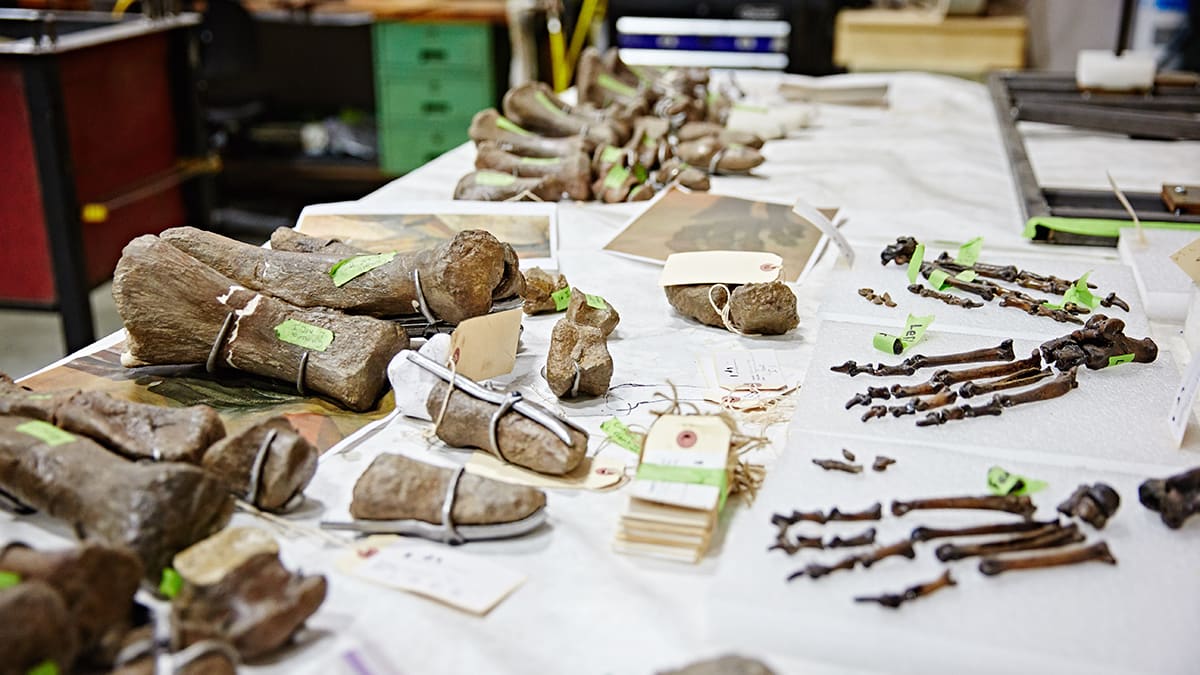
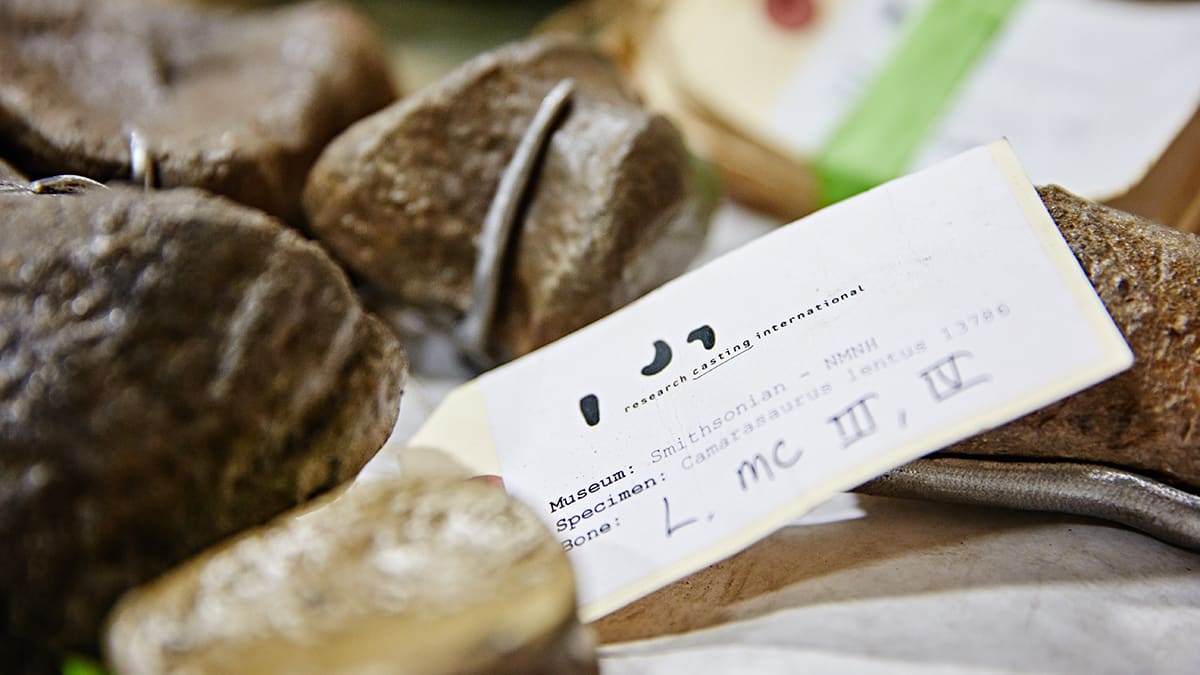
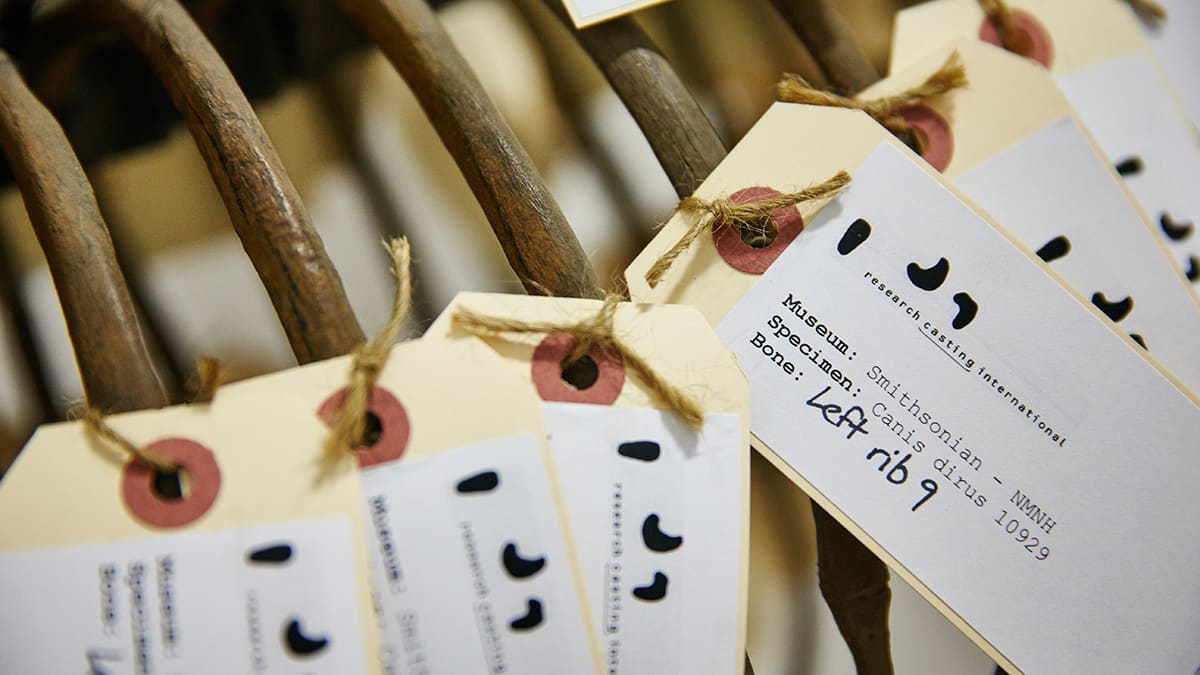
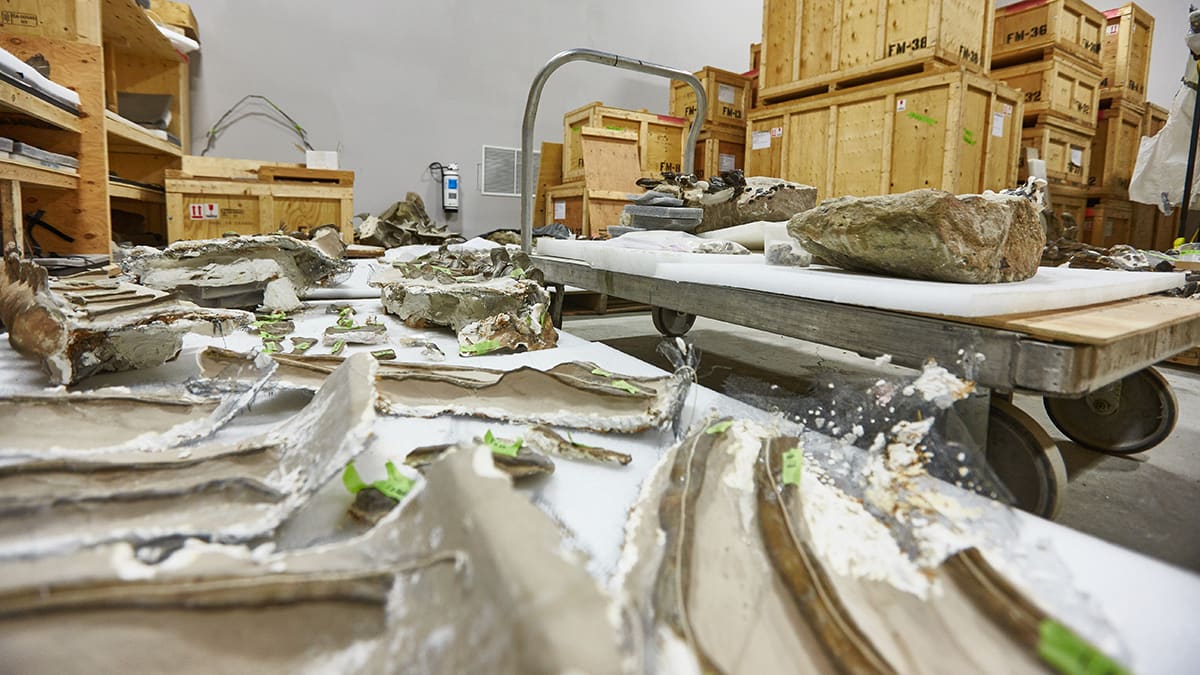
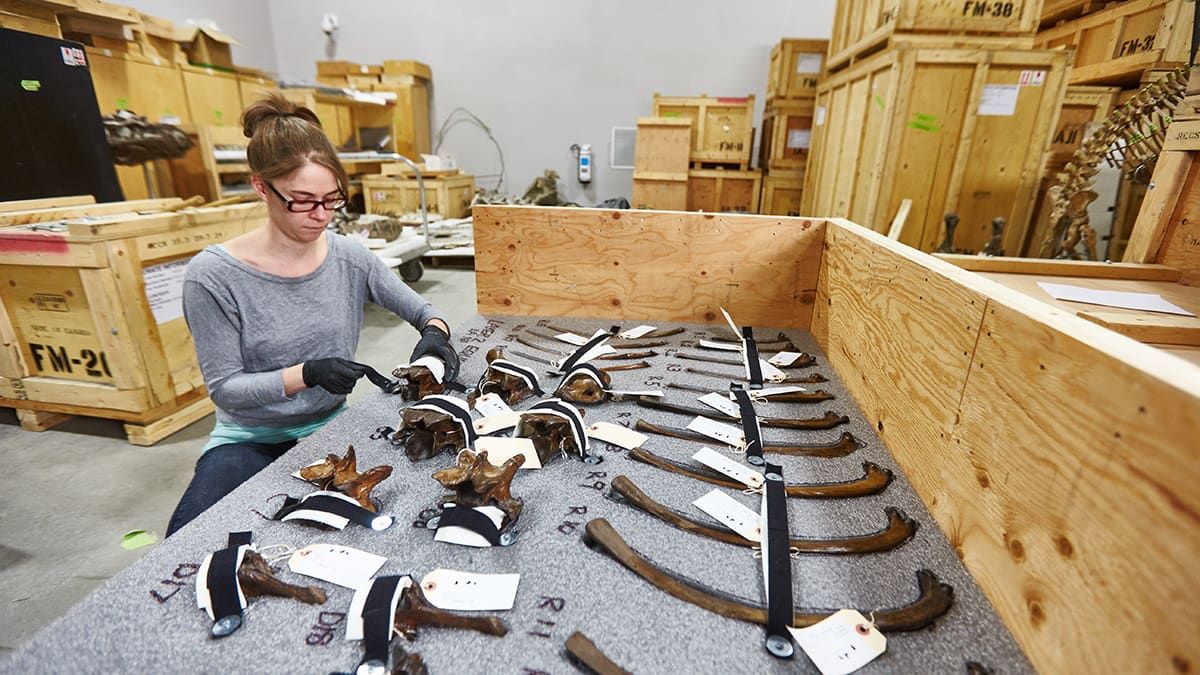
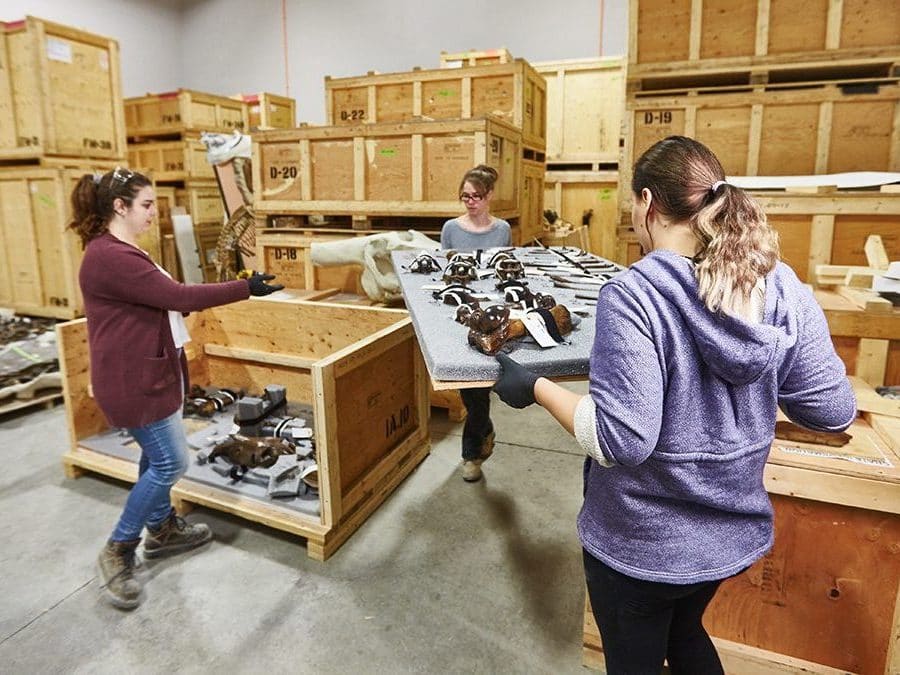
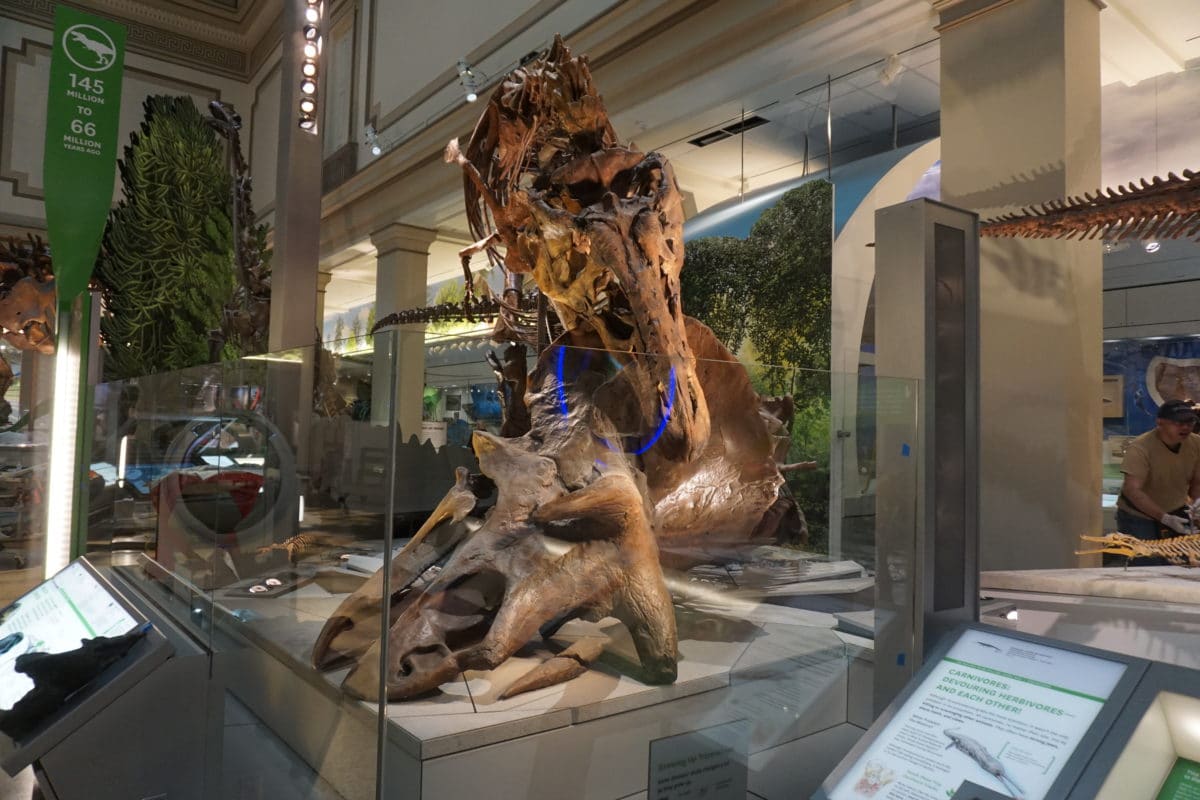
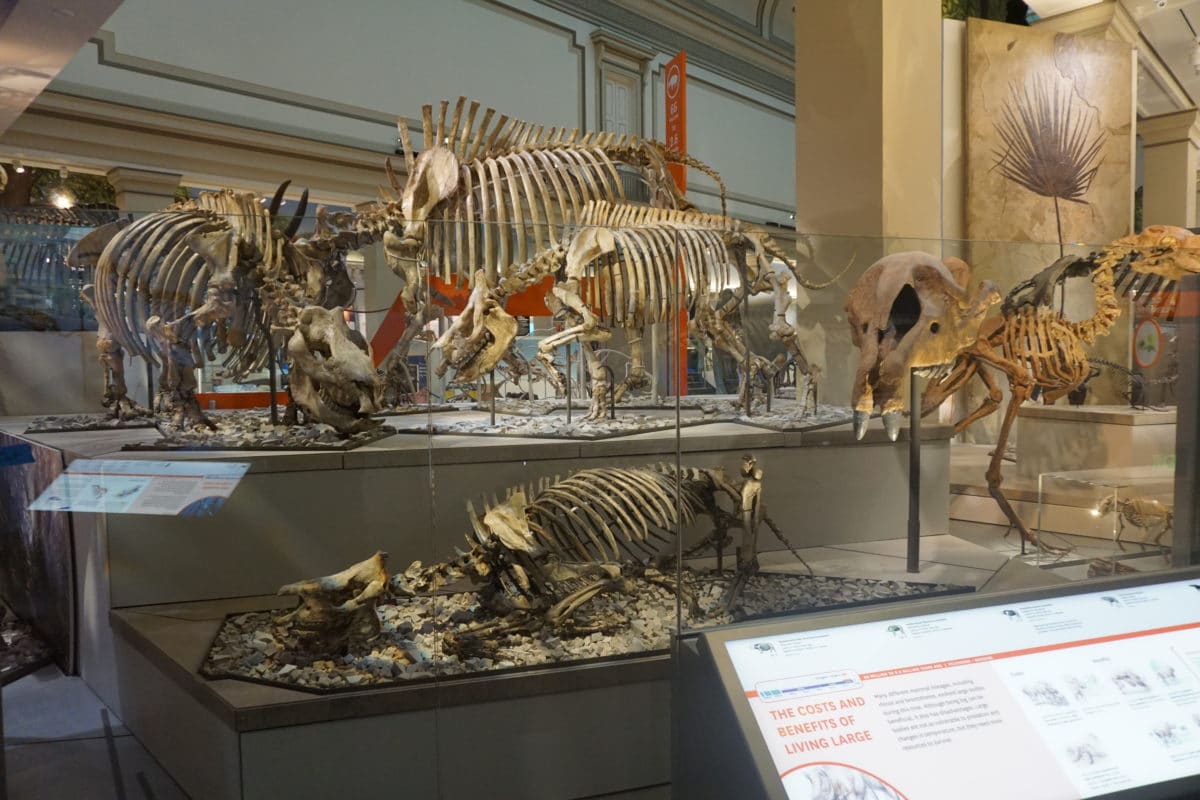
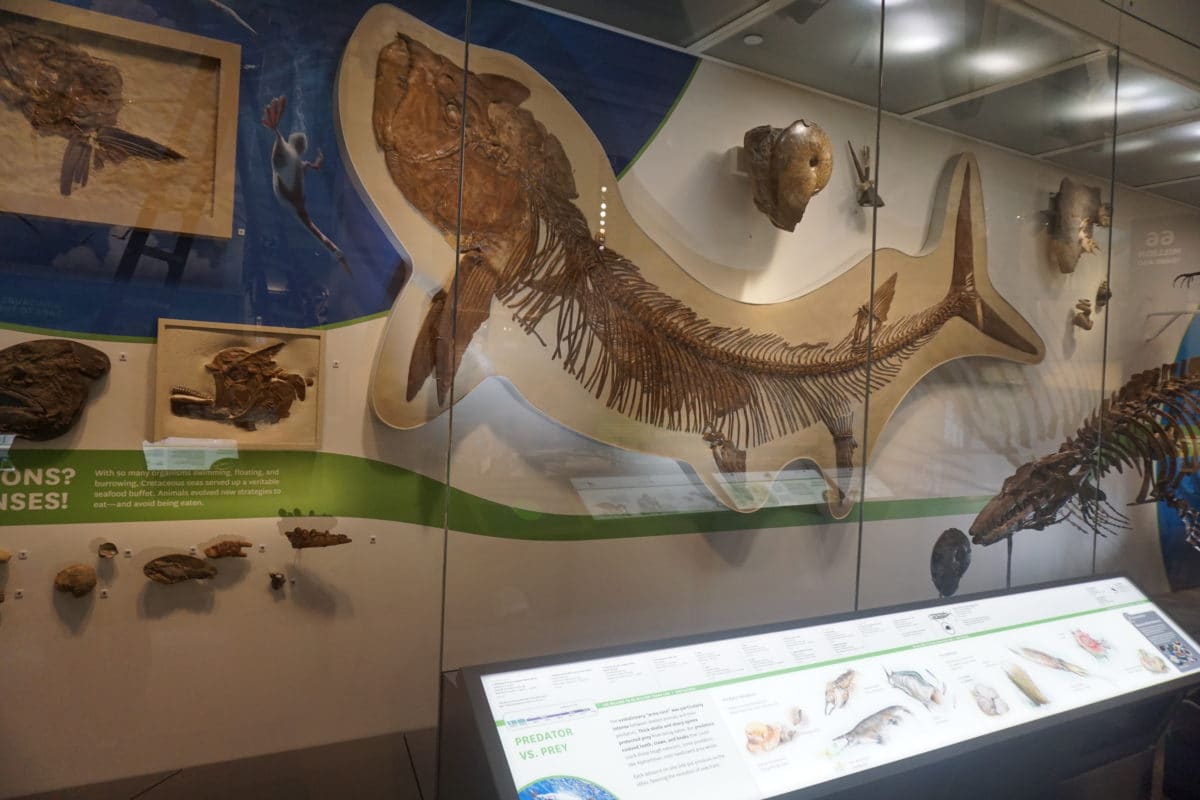
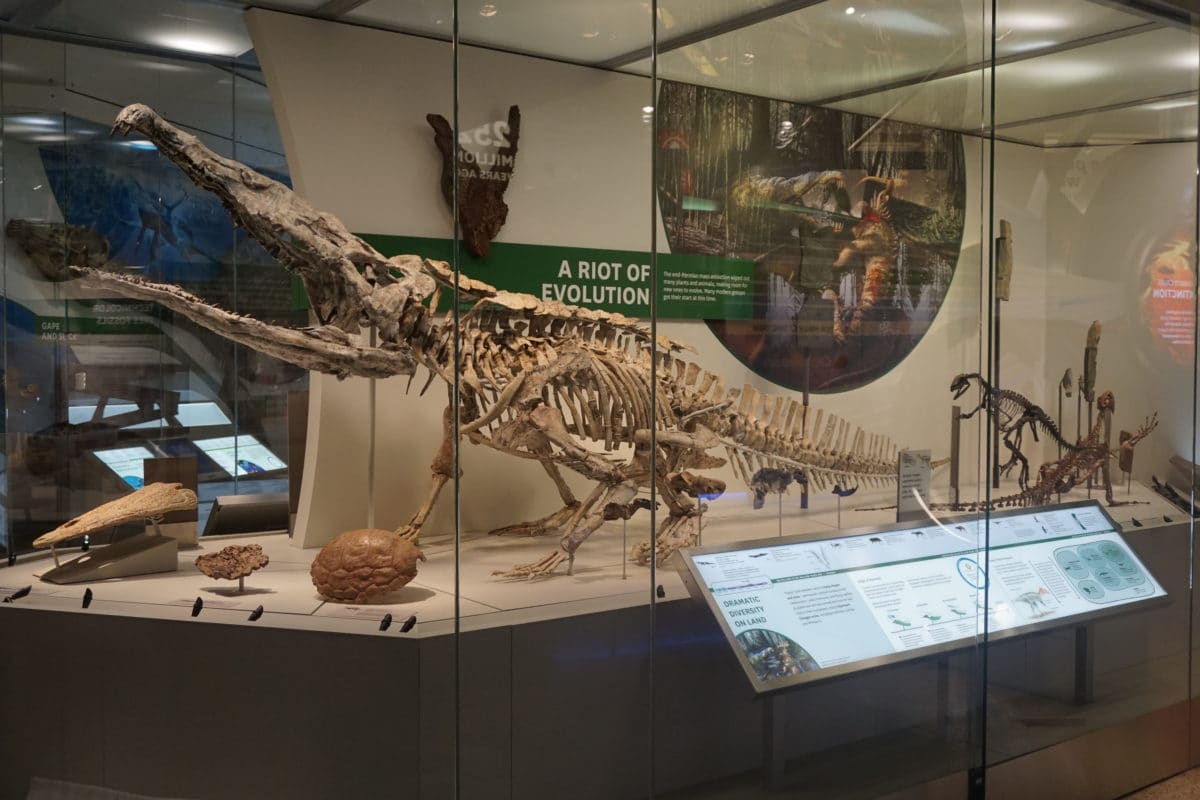
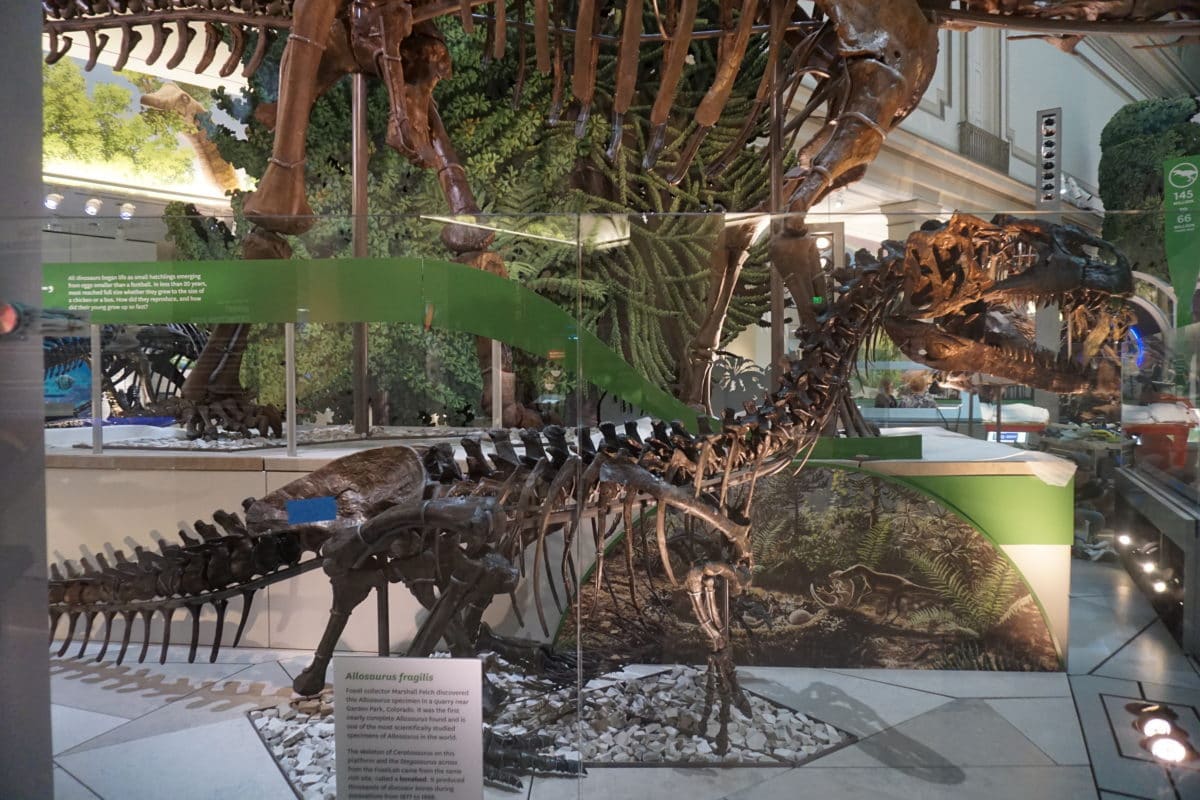
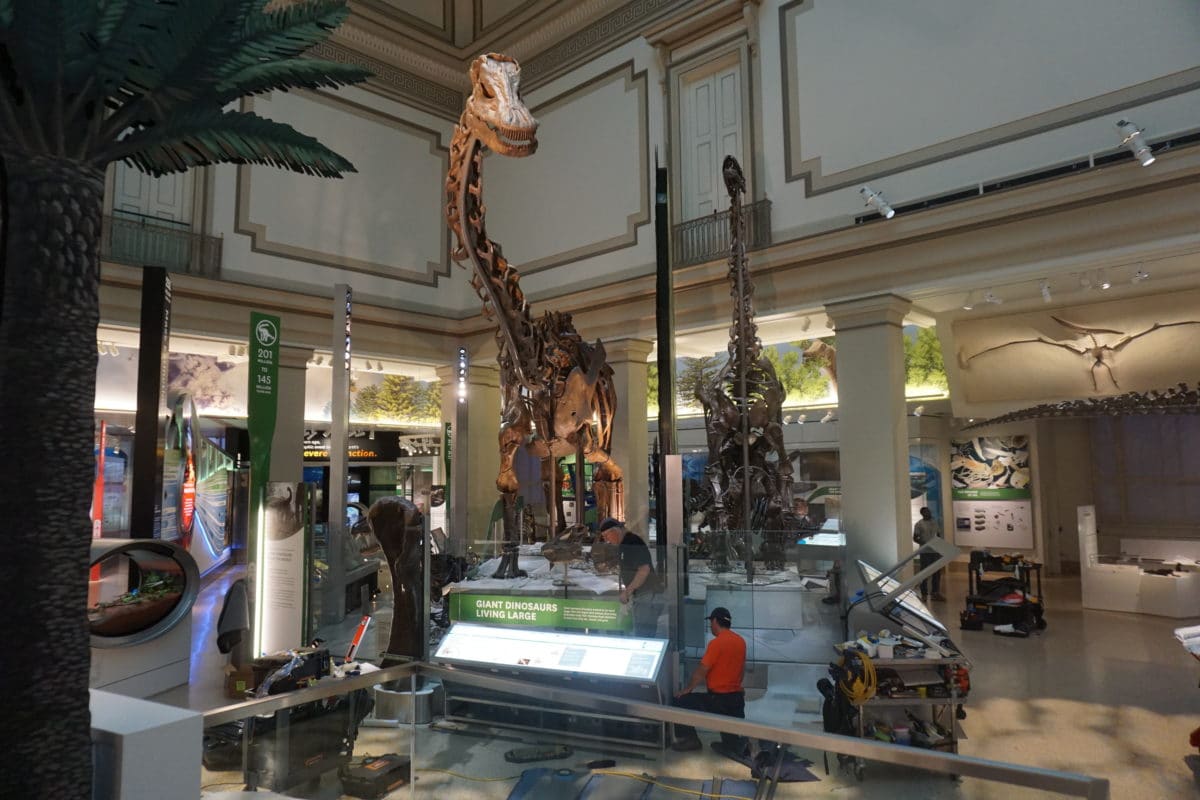
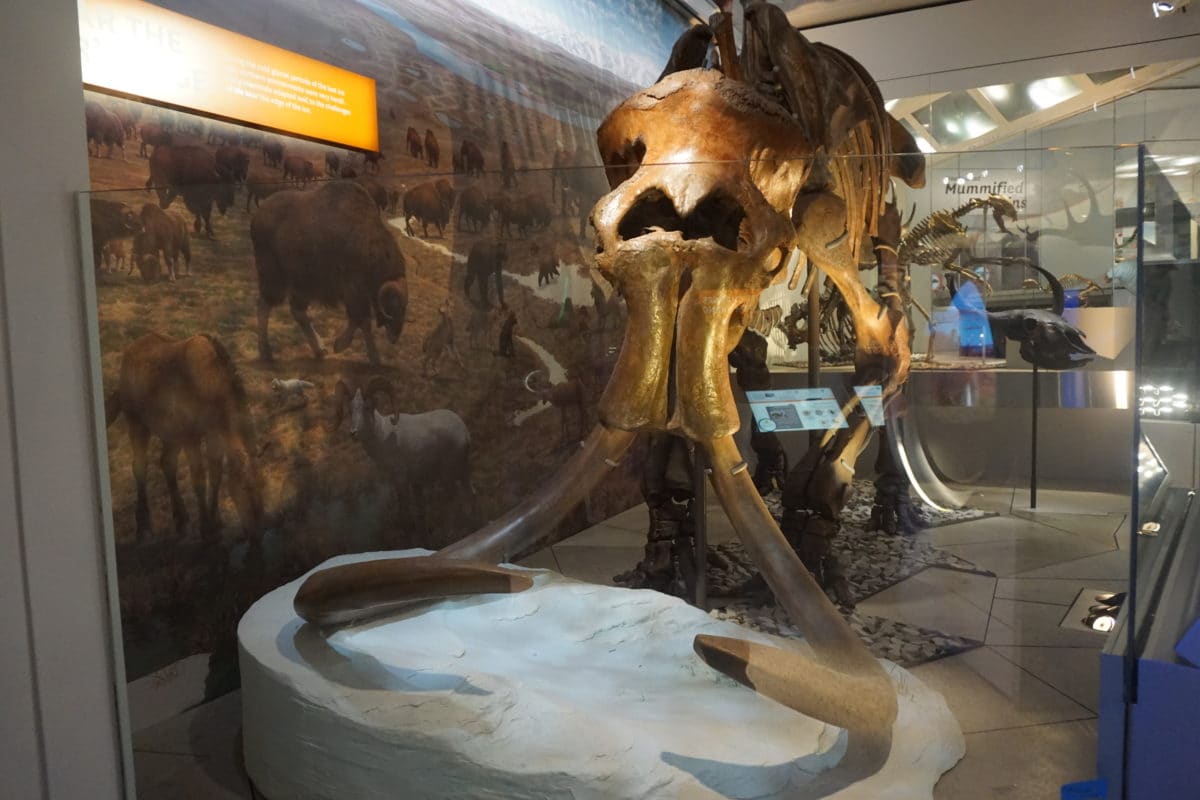
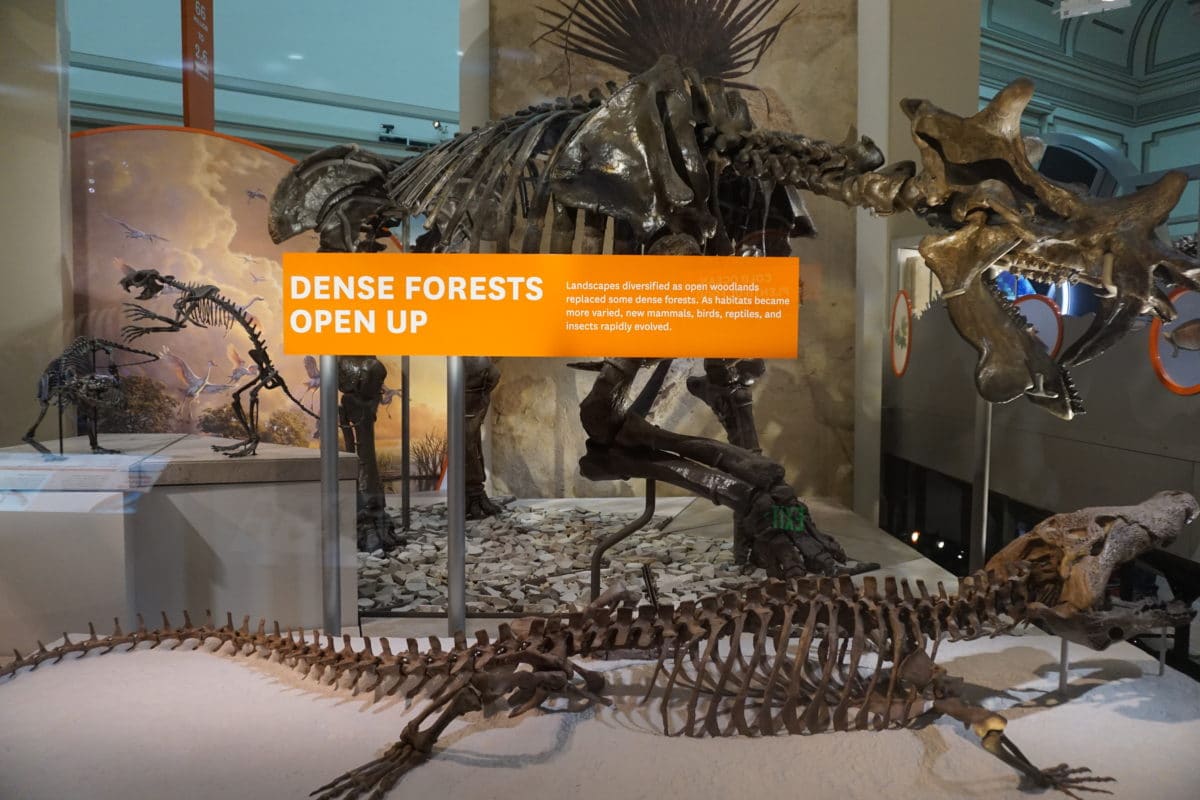
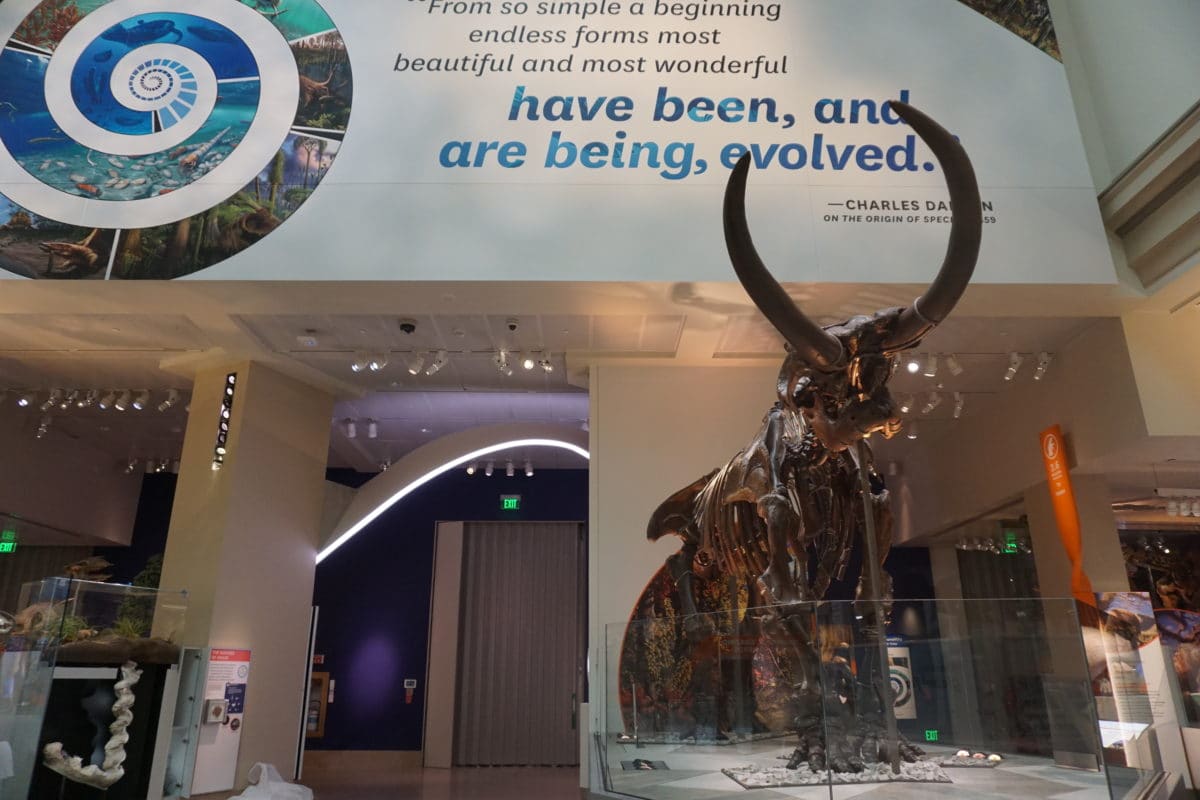
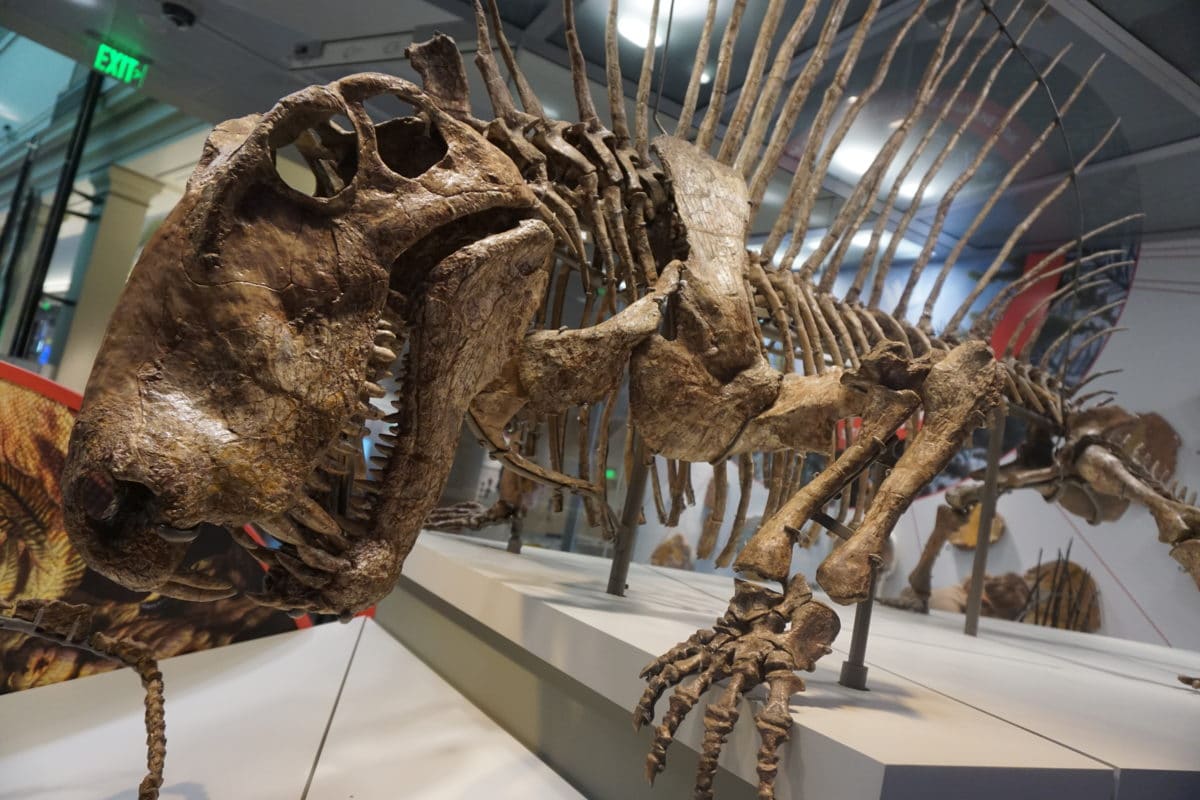
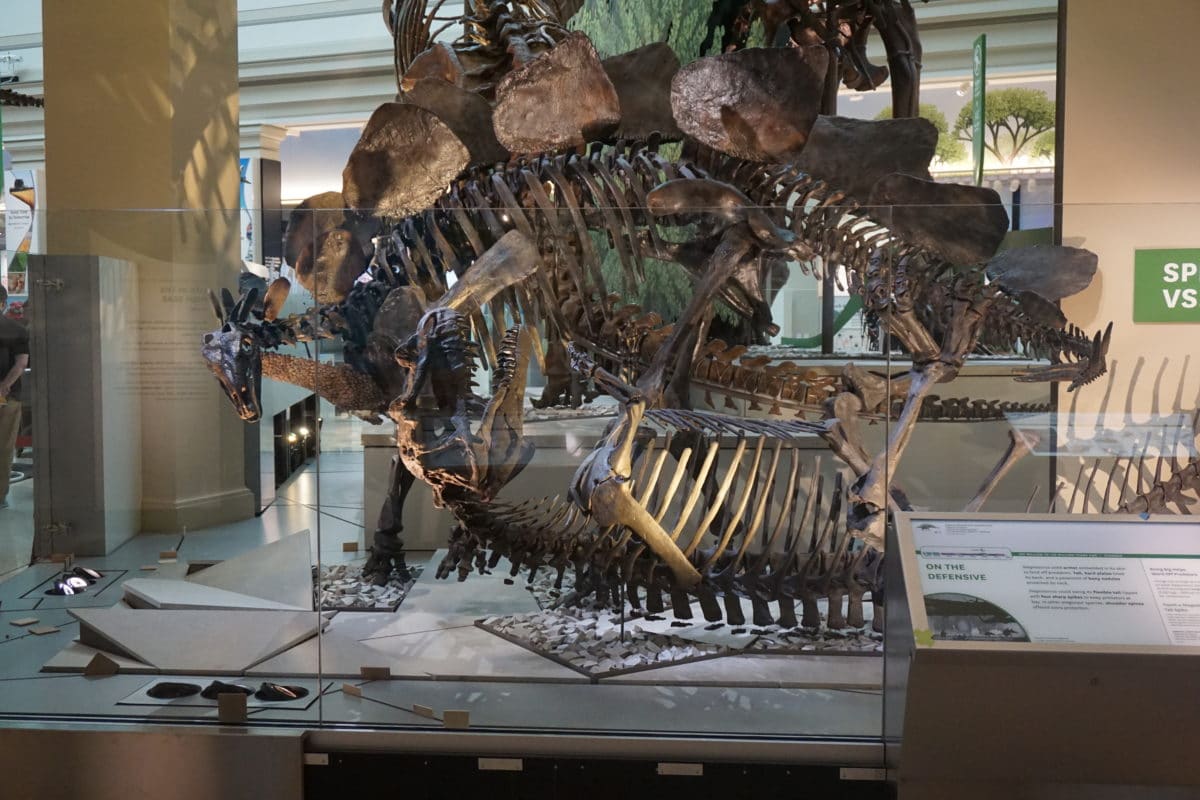
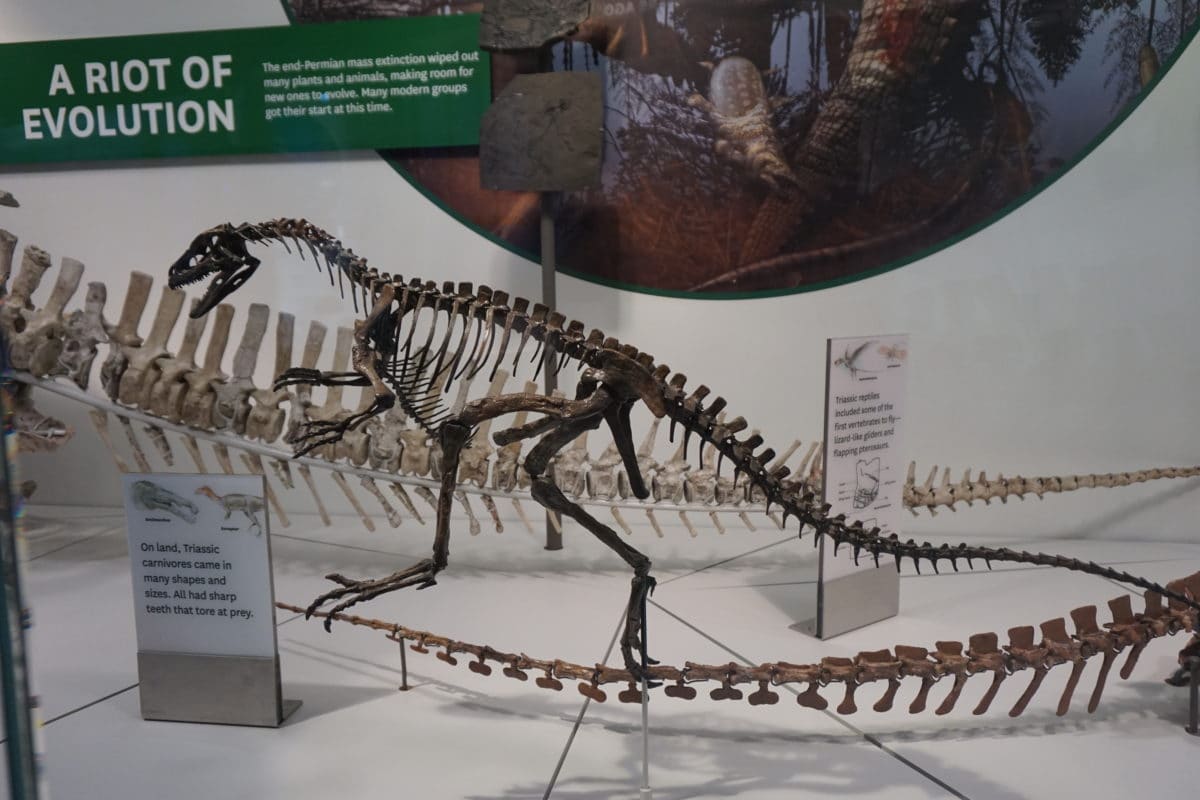
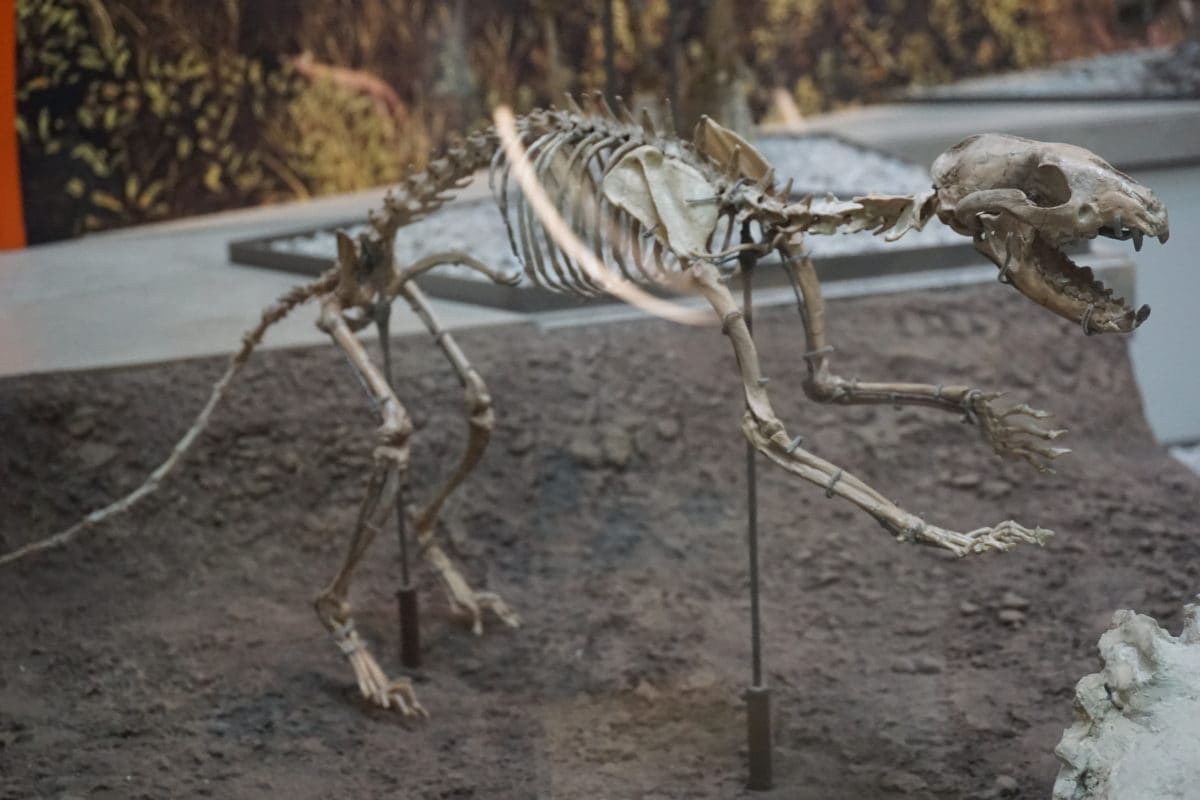
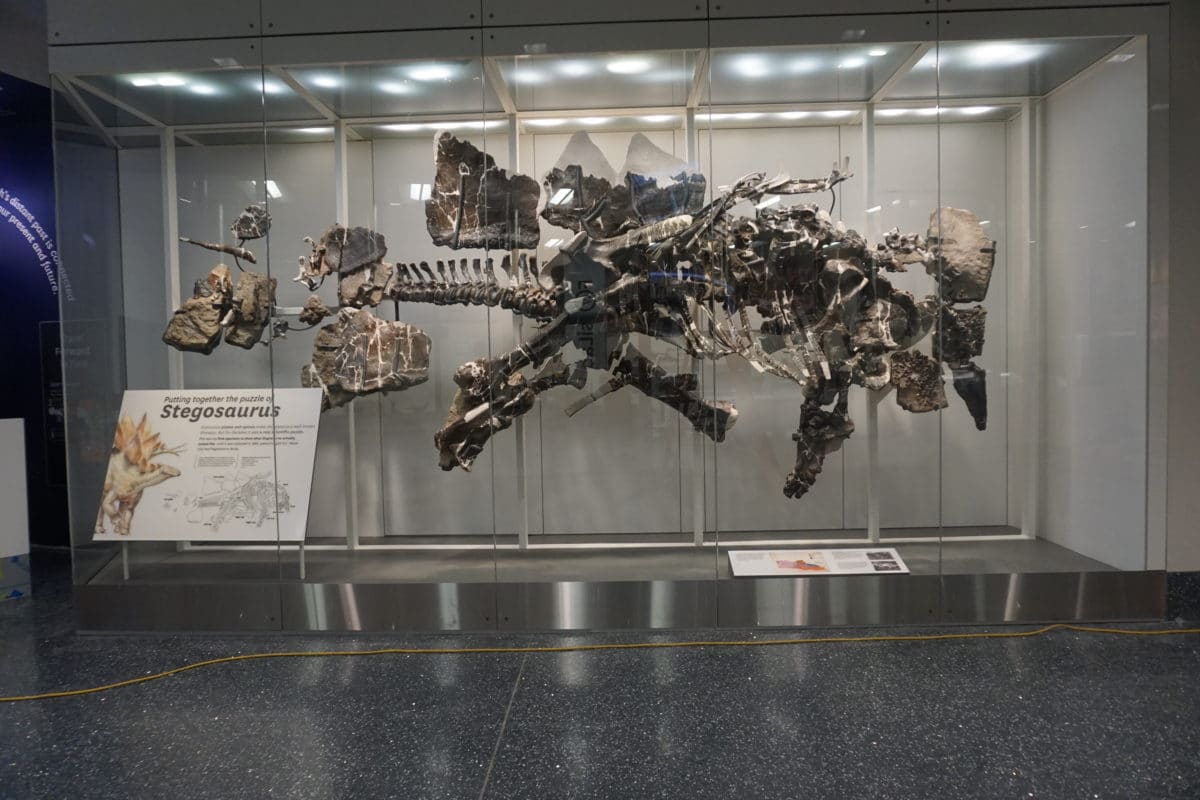
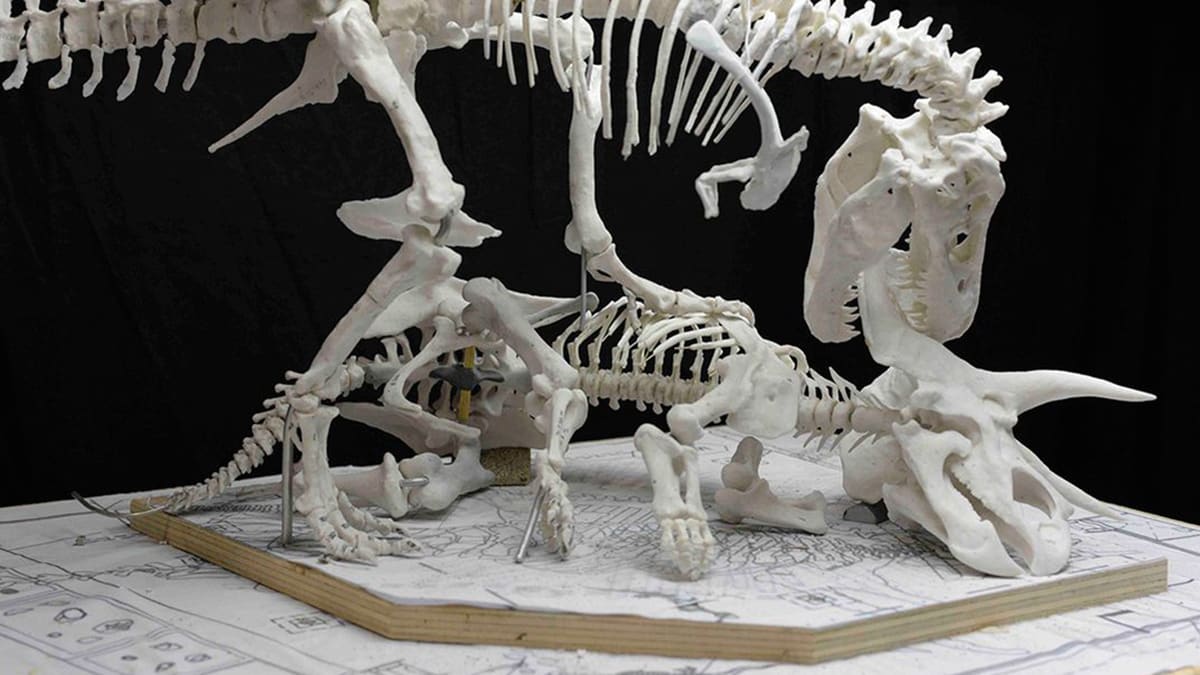
In 2014, the Smithsonian National Museum of Natural History awarded RCI with a multi-faceted, 5-year project to redevelop the National Fossil Hall. RCI recently completed this project, which included the conservation, cleaning, and re-mounting of over 50 specimens. The Smithsonian has entrusted us with conserving and preserving the specimens on site here in Trenton. It is something the Smithsonian does not typically allow. What makes this possible is our museum-grade storage facilities with climate control, upgraded security, skilled technicians, and conservation lab. Deep Time opened to the public in June 2019. The 5-year overhaul was a huge undertaking. We worked on the majority of the Smithsonian’s dinosaur and prehistoric mammal collections. Some of the specimens include MOR 555 (the Nation’s T-Rex) in a dynamic pose chomping on the head of a Triceratops. We also worked on a Tylosaurus, Diplodocus, Camarasaurus, Stegosaurus, Xiphactinus, Edmontosaurus, Mastodon, Mammoth, Eremotherium, Thescelosaurus, Allosaurus and many more. Many of the specimens were freed from plaster mounts, others still had matrix on them. The first skeleton we completed was arguably the star of the collection: the 66 million-year-old; 10:5 metre-long Tyrannosaurus rex “Nation’s T-rex.” This specimen is one of the most complete T-rex skeletons ever discovered, with 130 original bones, it still required the casting of an additional 96 bones, including the skull, which was too fragile to exhibit. Fossils and casts are all held together by more than 1,000 feet of steel that pushes the total weight beyond 4,000 pounds – close to 2 tons. Working with priceless fossils, such as the T-Rex, involves meticulous care and attention. First, we cleaned and consolidated the fossil material, systematically going through each element, making sure there aren’t any cracks that could give out as the individual elements are being handled. Once the prep work was completed, the skeleton was pieced together beginning with the hips, followed by the vertebrae leading up towards the neck, the tail, ribs, arms and the hind feet. If the skeletons of this exhibit were casts, then their supporting armatures could be hidden within their bones. But Fossil bones are heavier than casts and can be very brittle. We implemented a cradle system that is both delicate and strong. The toughest challenge is bending the steel accurately onto the original fossil material. This project offered our blacksmith and metalworking team the opportunity to show their technical expertise. One of the additional requirements was that to facilitate ongoing scientific examination, the steel armatures needed to allow specific bones, such as the arms, to be easily removed without dissembling the entire mount.