Culture
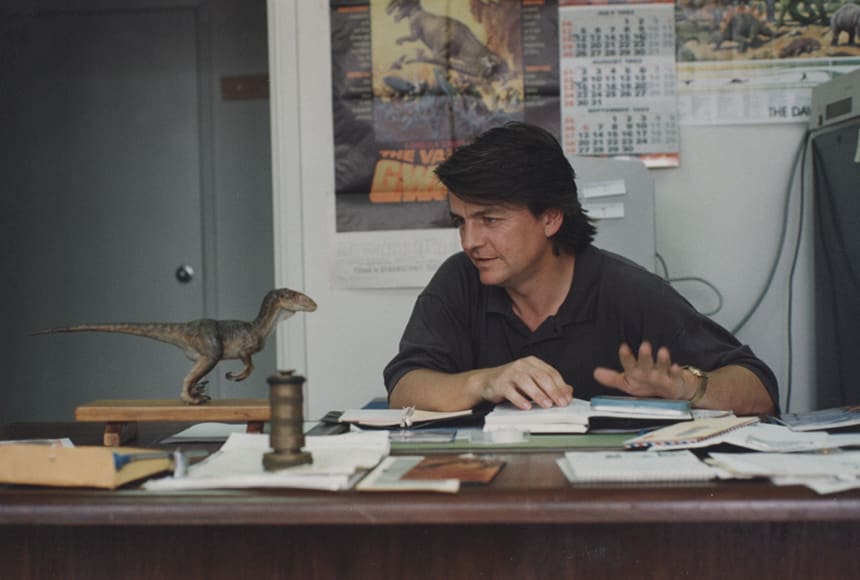
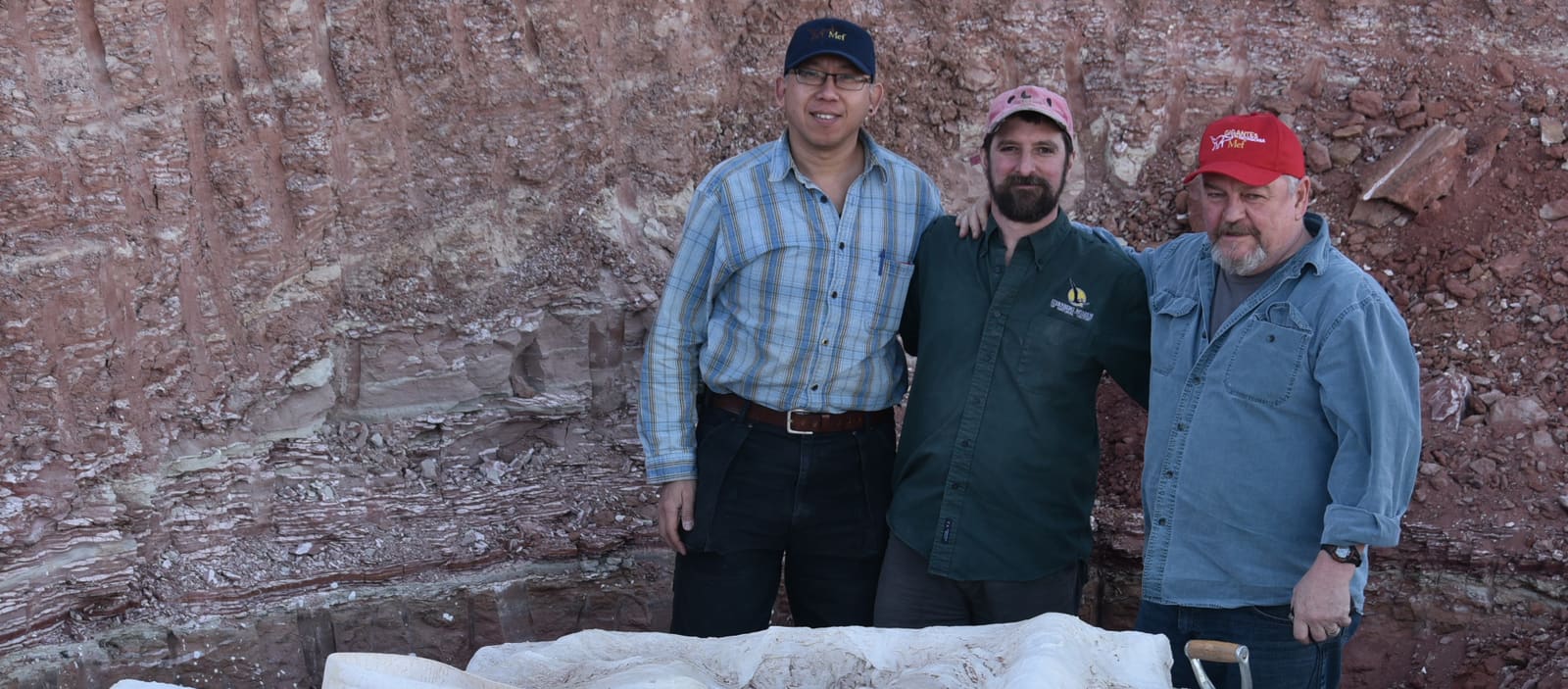
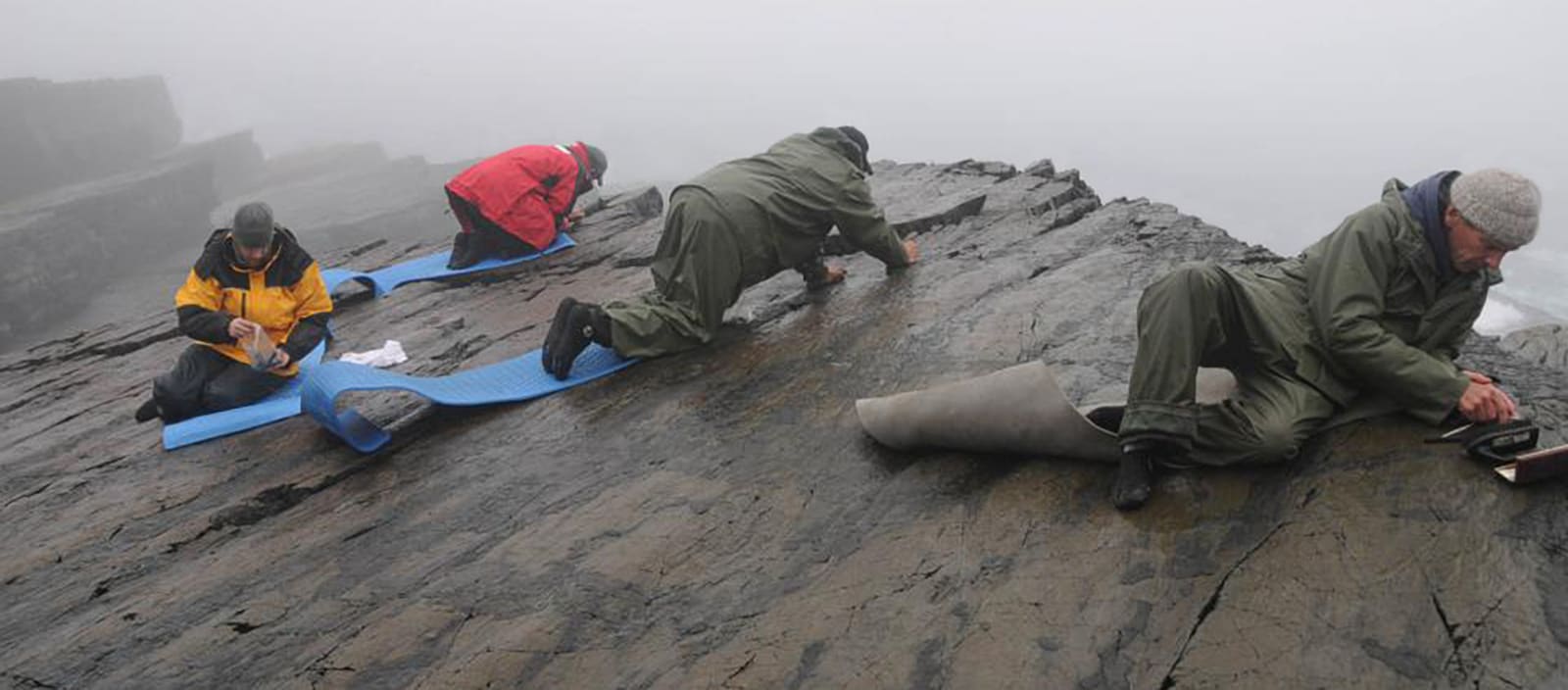
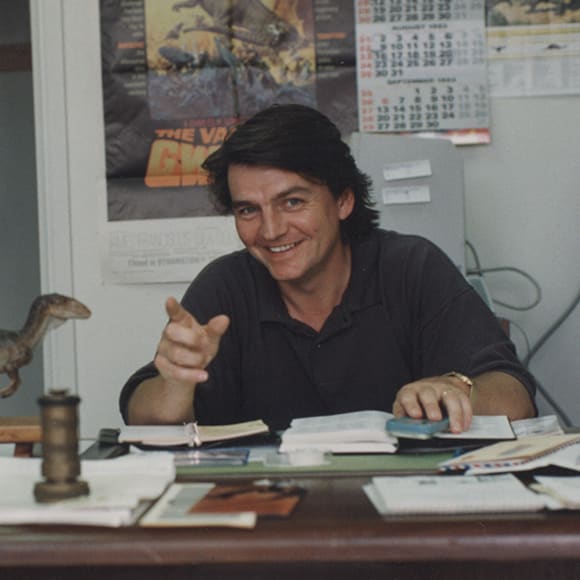
When RCI founder and president Peter May was interviewing at the Royal Ontario Museum for his first position working with dinosaur fossils back in 1977 he ended up rolling up his sleeves and getting his hands dirty checking out their tech. He wanted to know how they did their casts and molds. Ten years later, as Peter started staffing up for his new venture, Research Casting International, the same sort of people were drawn to join the team. The kind of people who are interested in rolling up their sleeves and getting their hands dirty. People who are interested in creating and preserving. The same thing drives the culture at RCI today. Like to Camp? Drive a 4X4? Get your hands dirty? Work with the latest tech and classic artisanal tools? You’ve come to the right place.
Then and Now
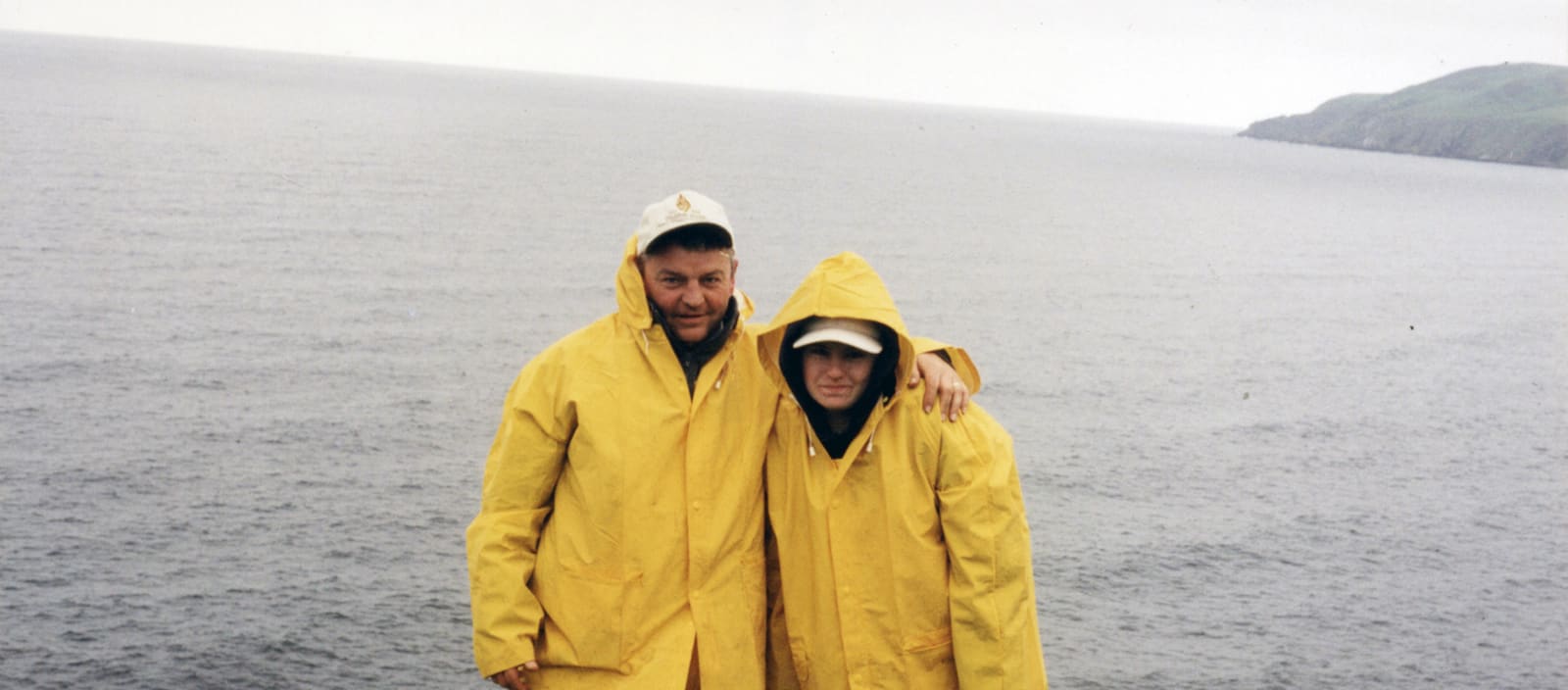
Peter admits that he missed out on the dino phase as kid, but he’s more than made up for that in the ensuing years. A talented sculptor with a BFA from the University of Guleph, Peter trained with the ROM’s vetran paleontology technician Gordon Gyrmov and learned welding and metal working from a former WW2 Luftwaffe test pilot Rudy Zimmermann. Eventually he became the head technician at the ROM, then spent a stint at the Royal Tyrrell Paleontology Museum in Alberta. When he returned to the ROM, he started getting calls from other museums looking for casting services. He rented space, installed a drill press and a welding machine and completed assignments in his spare time. By 1990 he was so busy, that it was time to give up his day job.
1987 Toronto 1998 Oakville 6000 sq ft 2002 Beamsville 18,000 sq ft 2007 Trenton 48,000 sq ft.
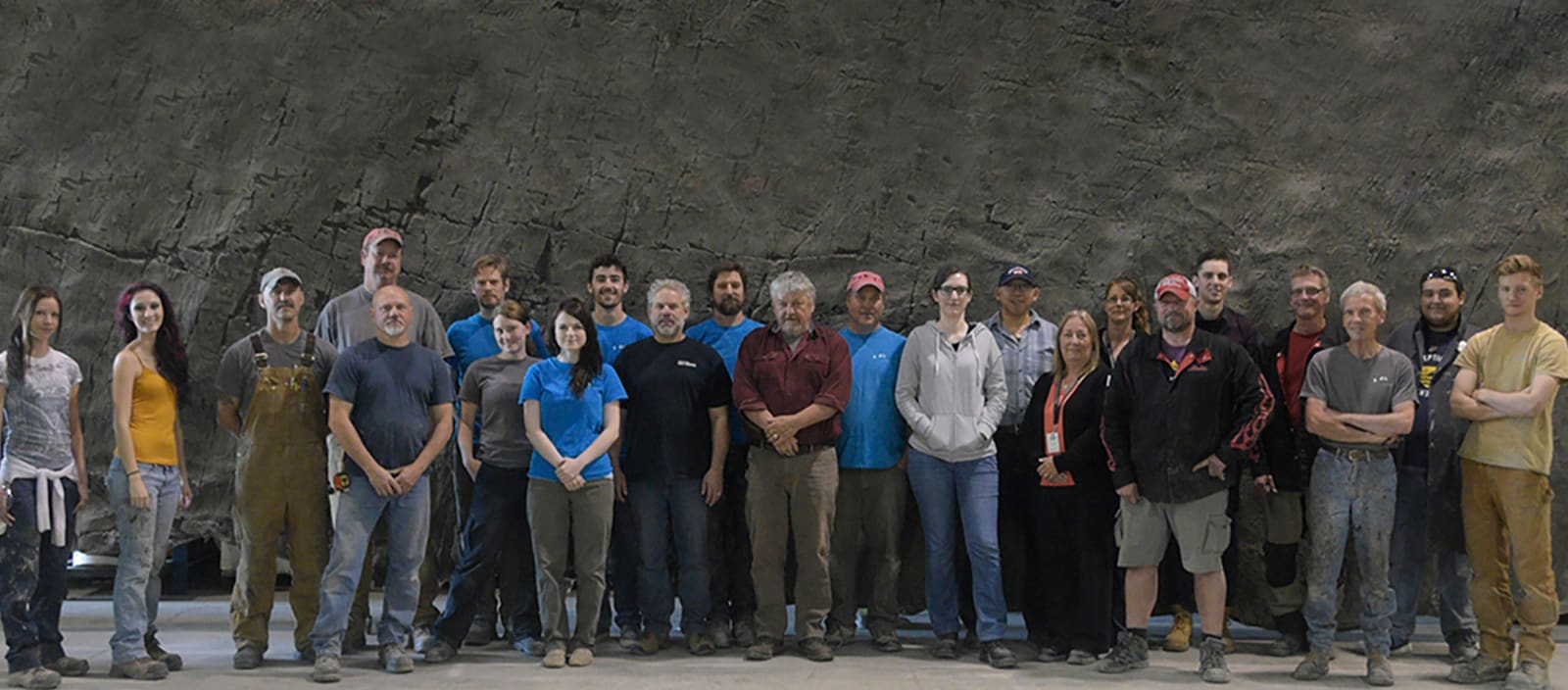
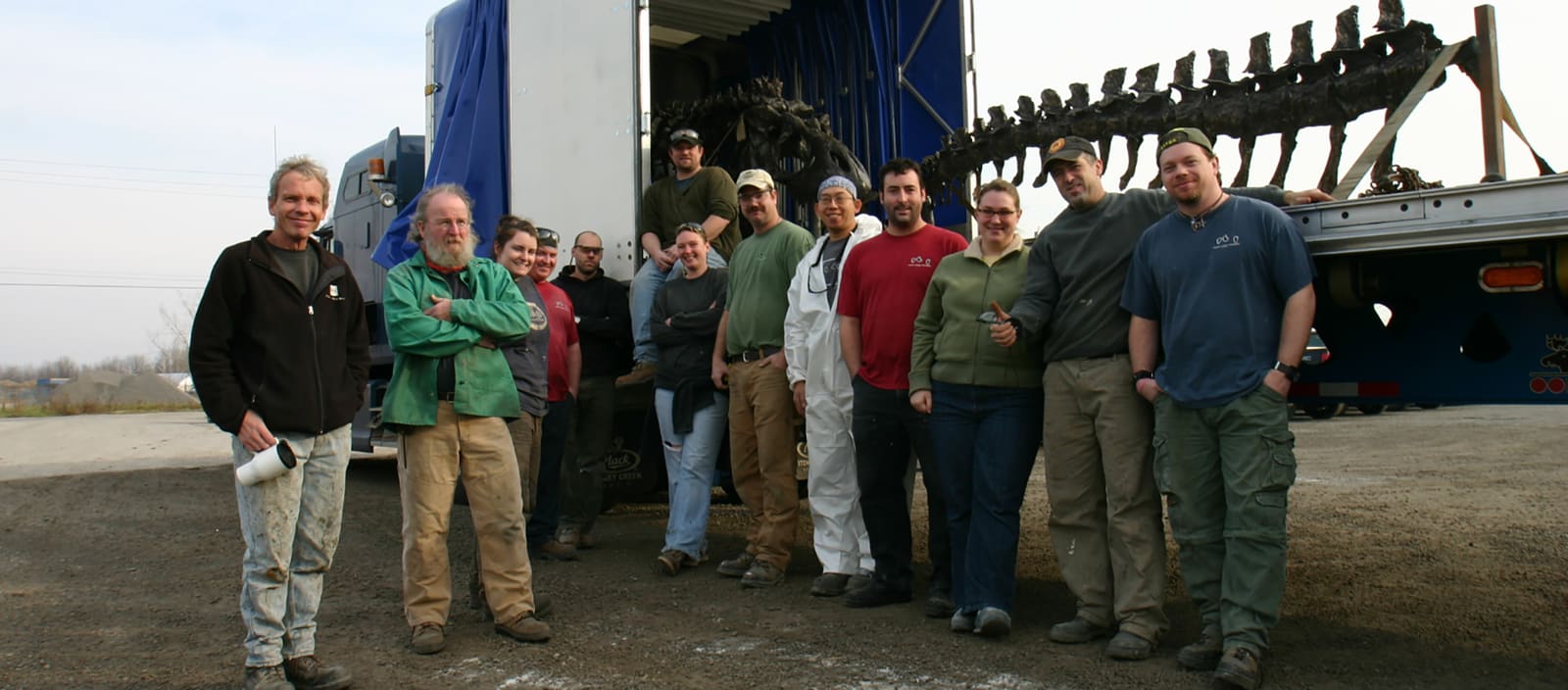
RCI has grown from a team of three in 1987 to five in 1995, to over 40 in 2019. Today we have the largest facility of its kind working with institutions and Museums and theme parks throughout the world, from Australia, to Japan, Dubai to North America. We recently signed a contract to preserve, clean and mount 52 dinosaur skeletons for the Smithsonian Institution’s National Museum of Natural History in Washington. The effort will take four years to complete. This is the first time the Smithsonian has let their specimens be stored outside of their own facility and calls for rigidly specified environmental conditions and secure storage in the building.
Skeleton Crew
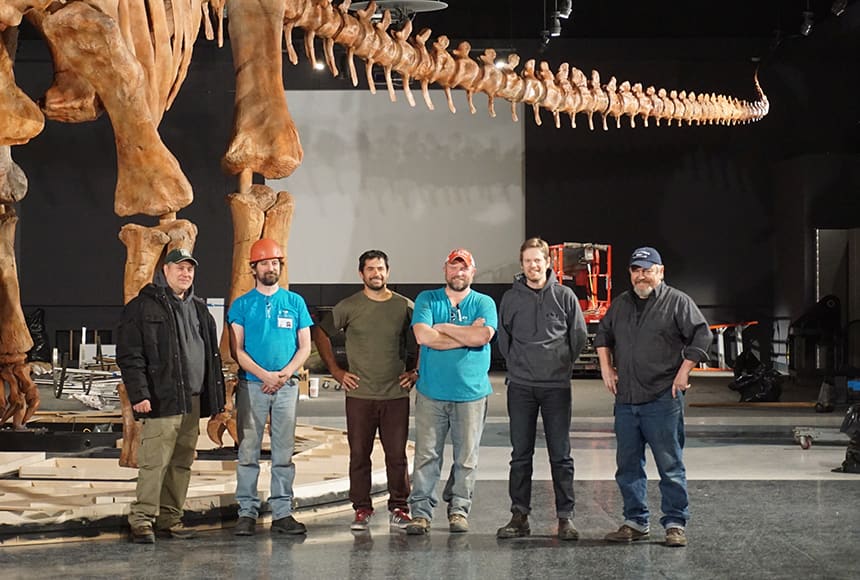
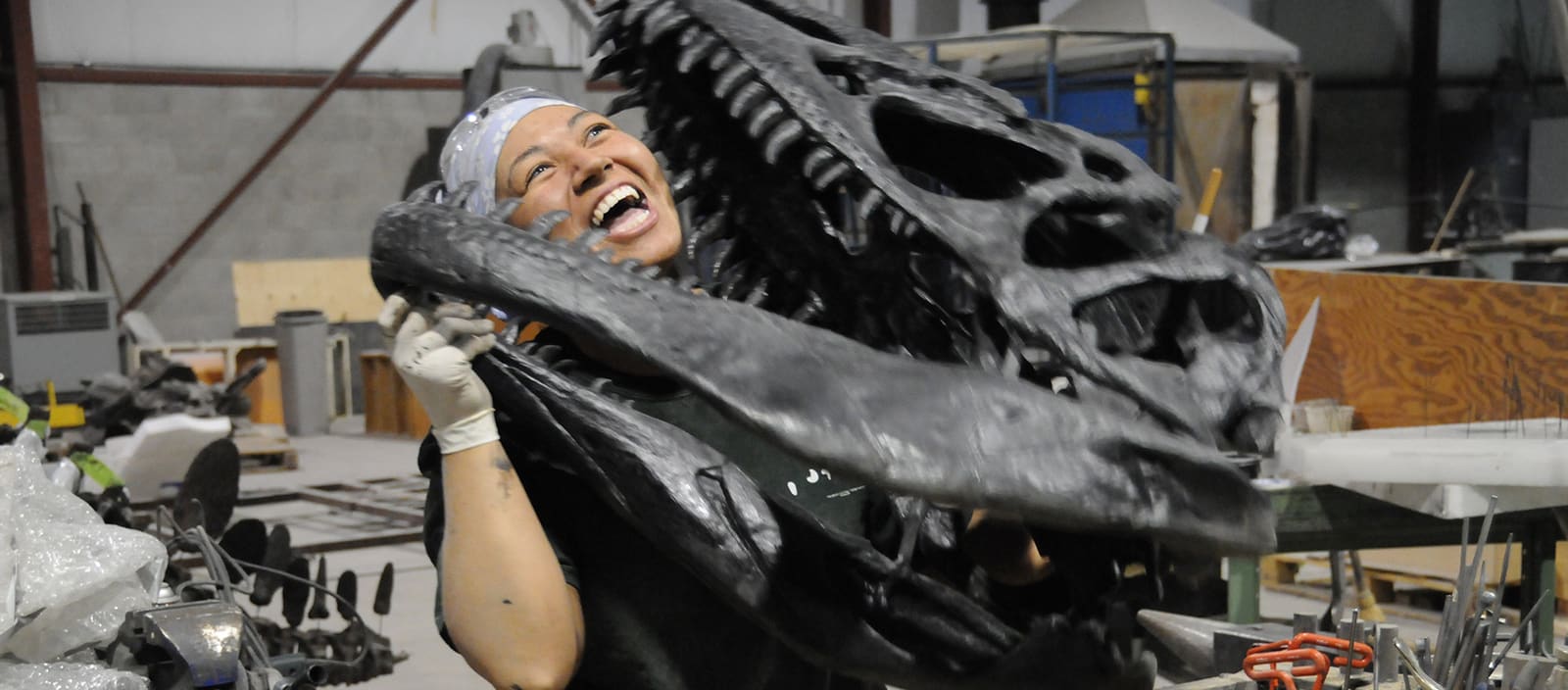
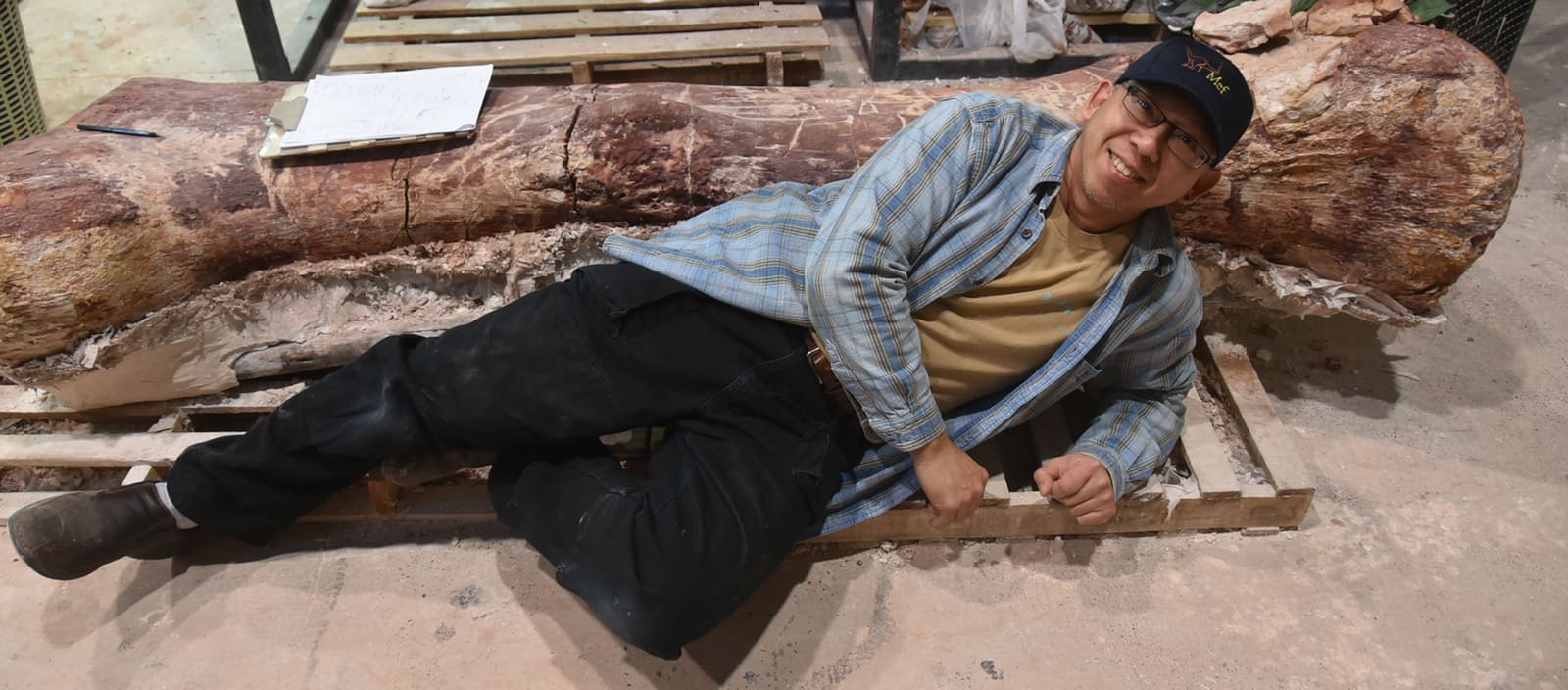
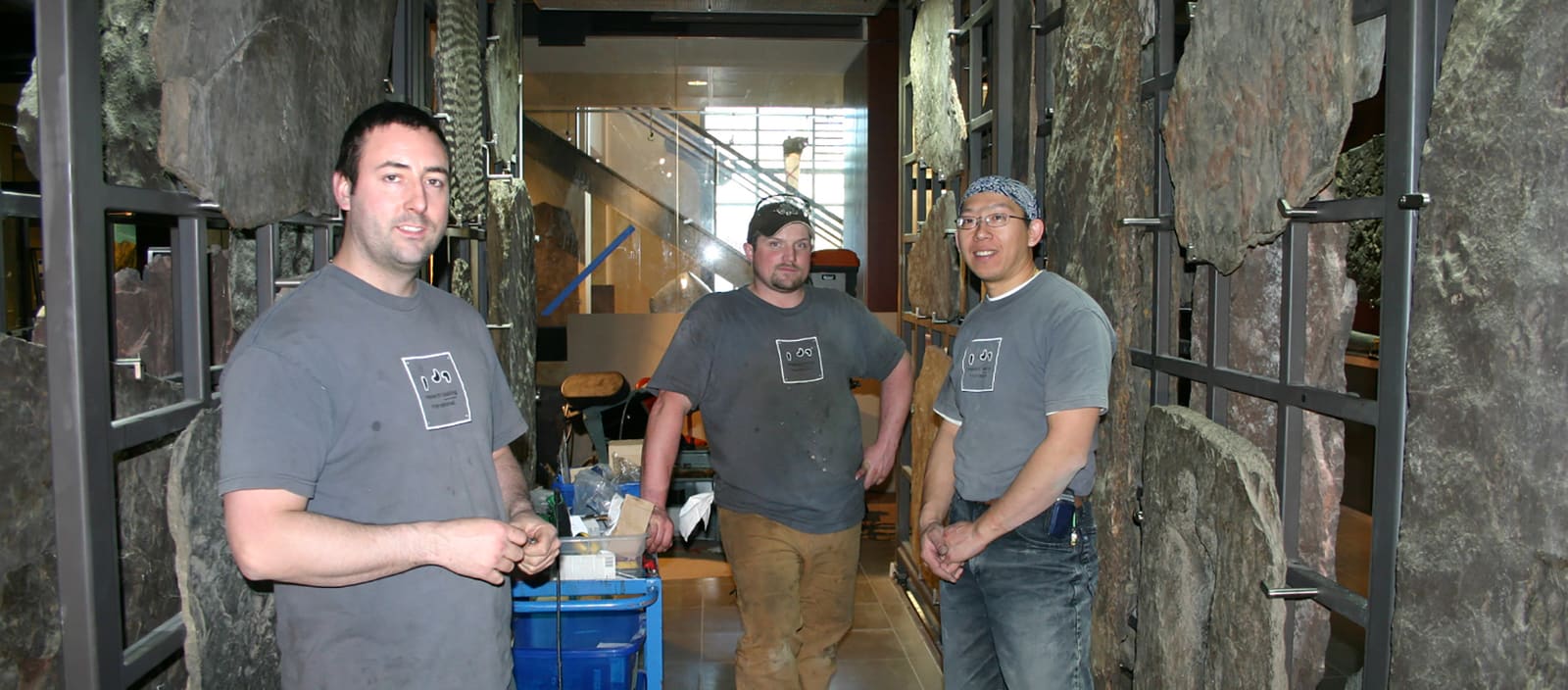
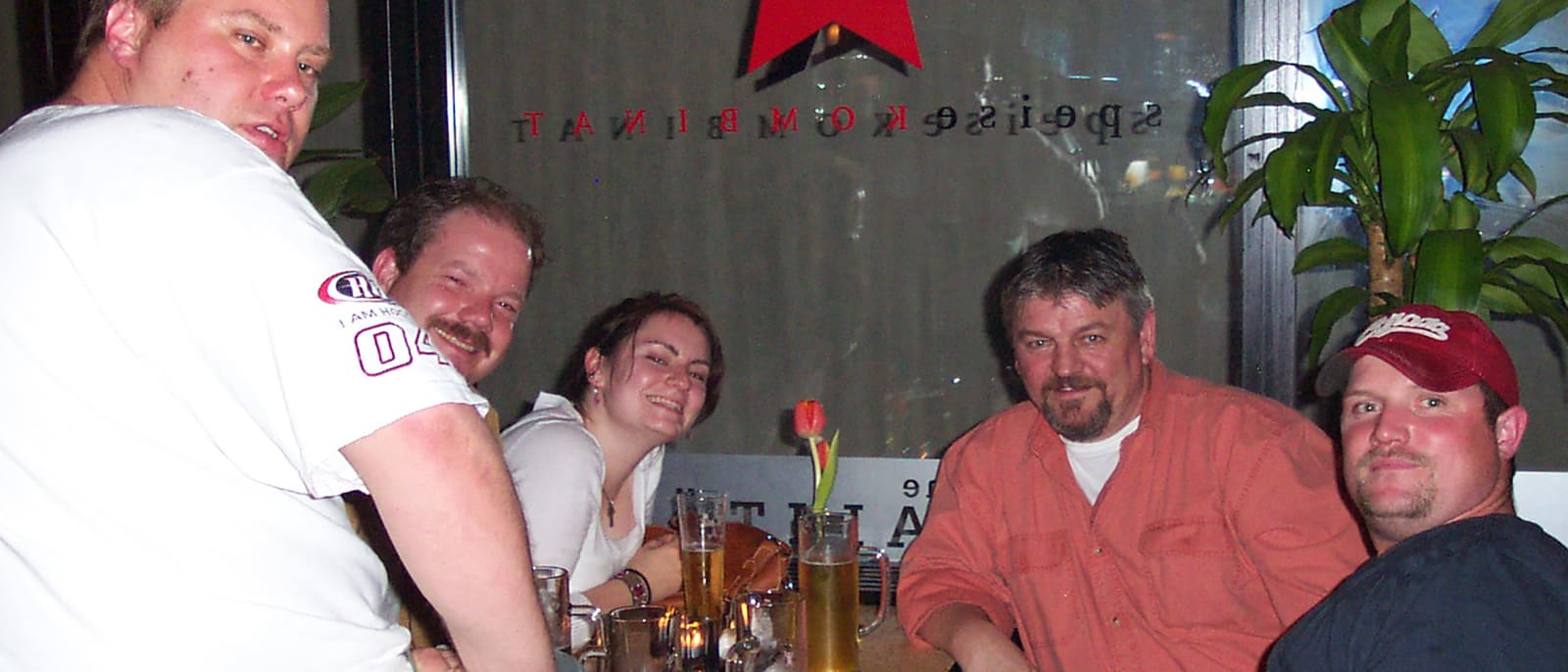
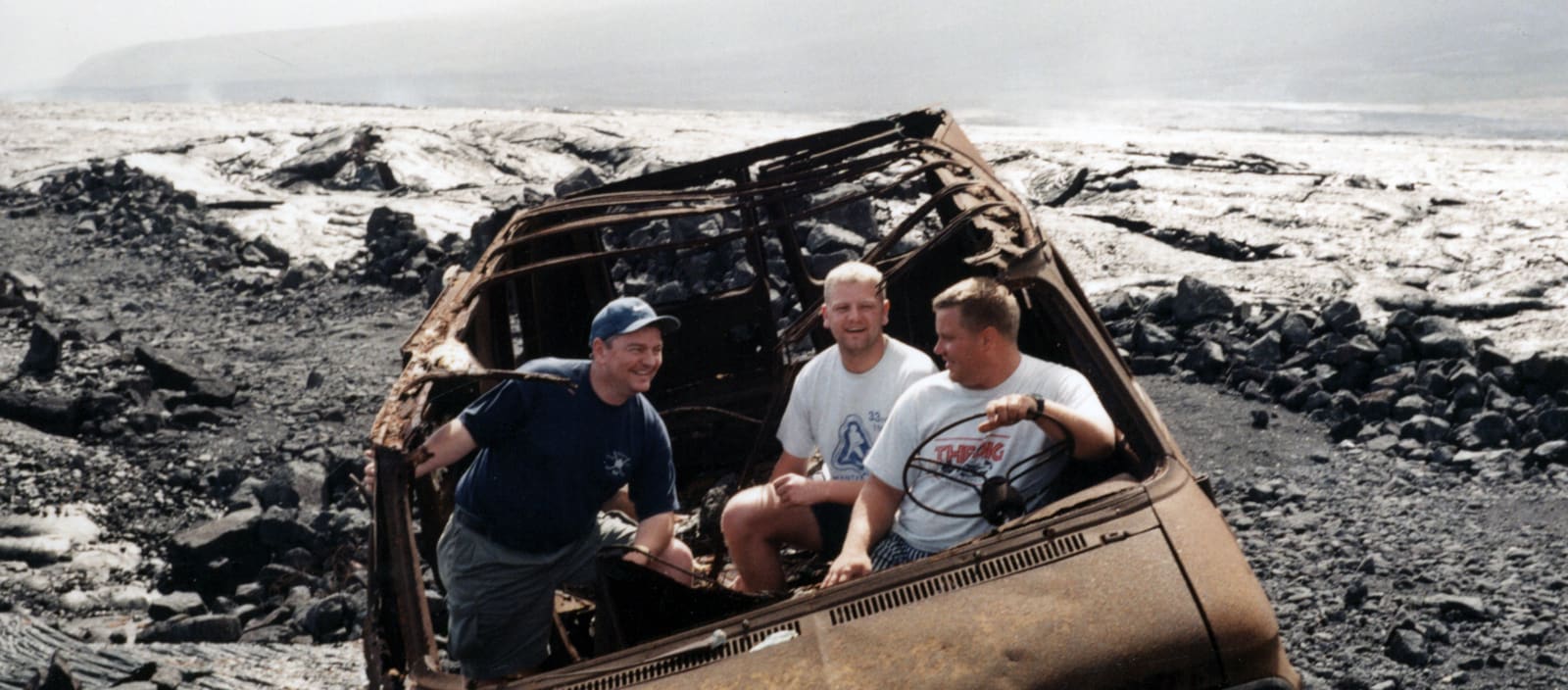
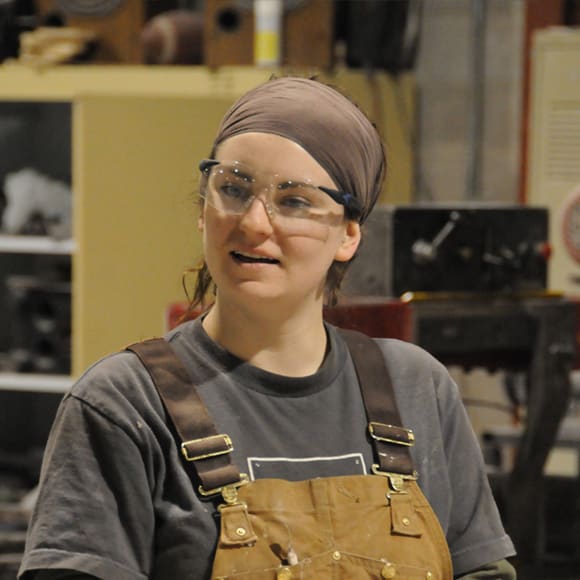
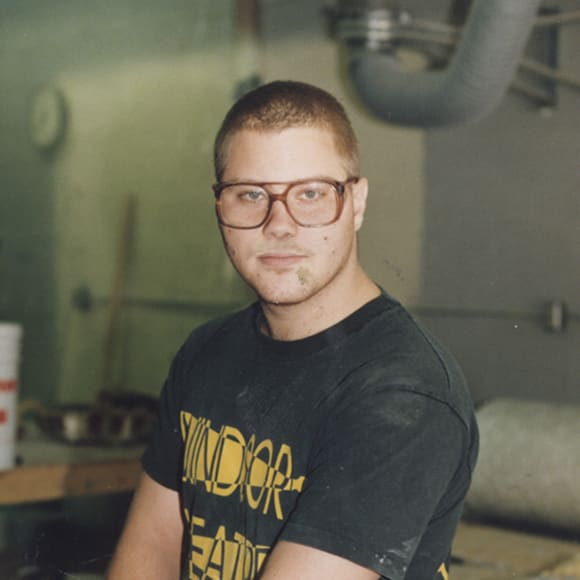
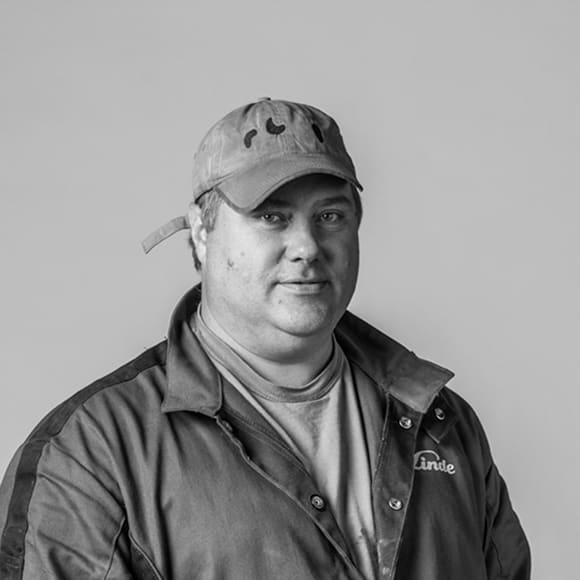
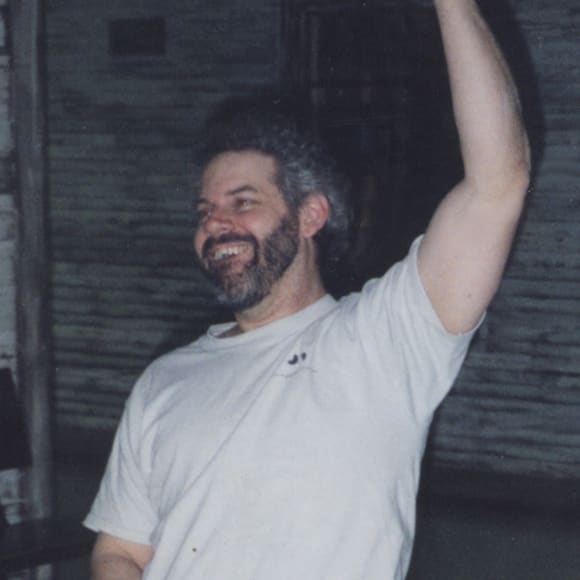
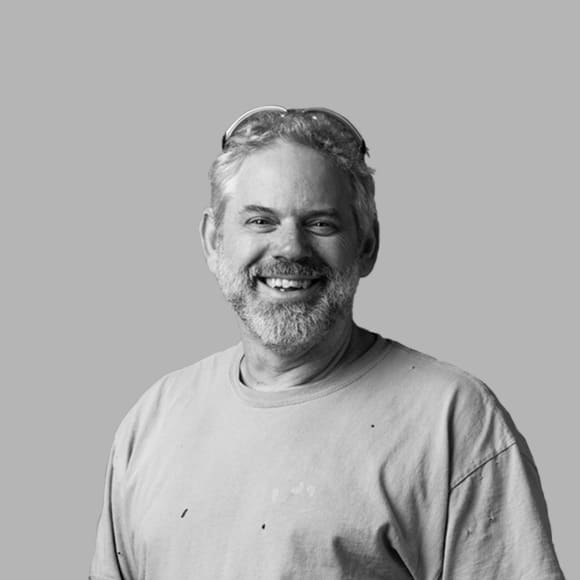
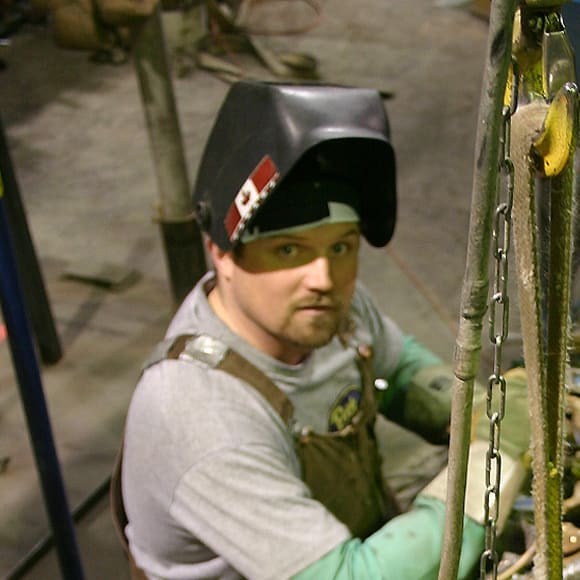
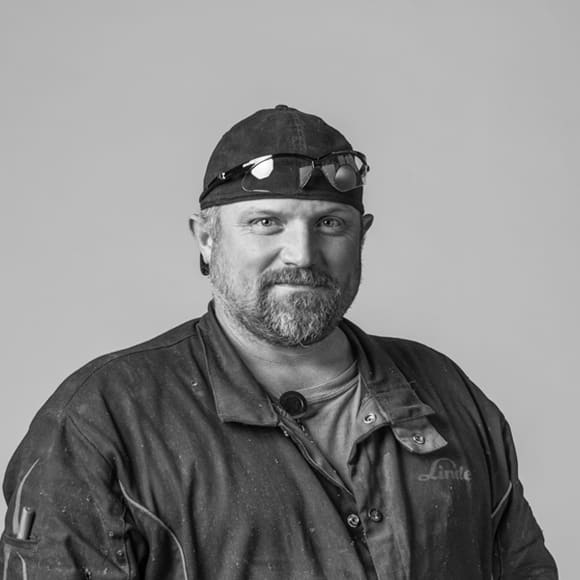
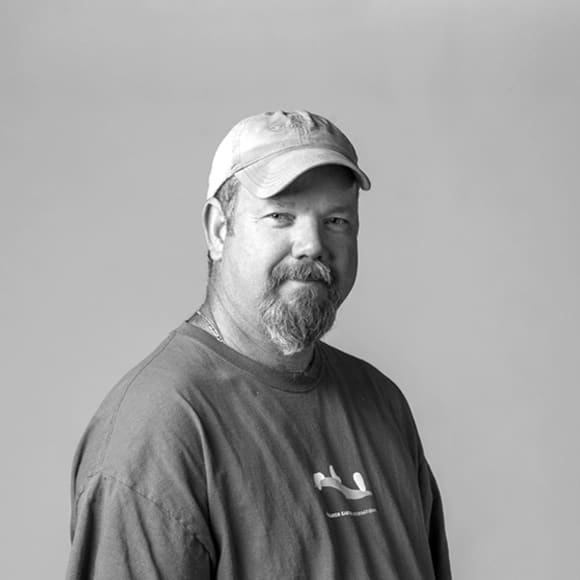
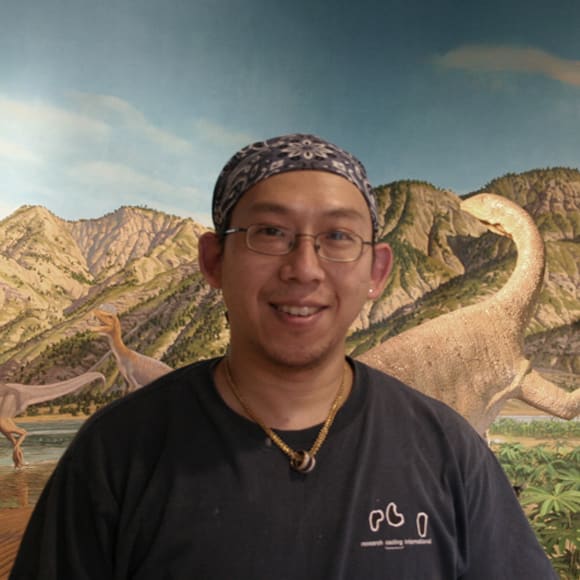
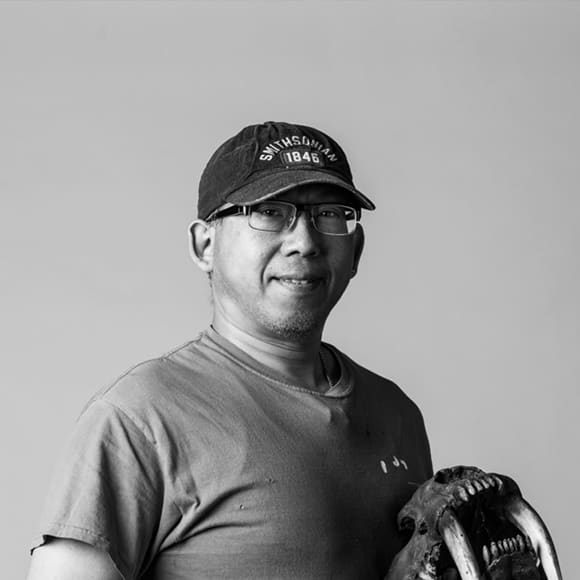
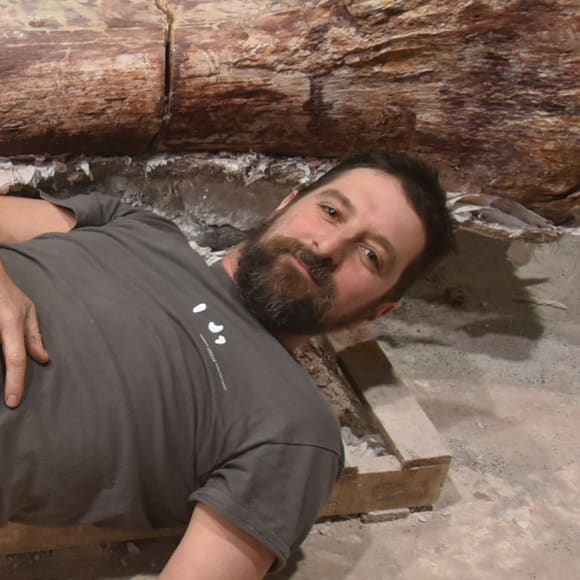
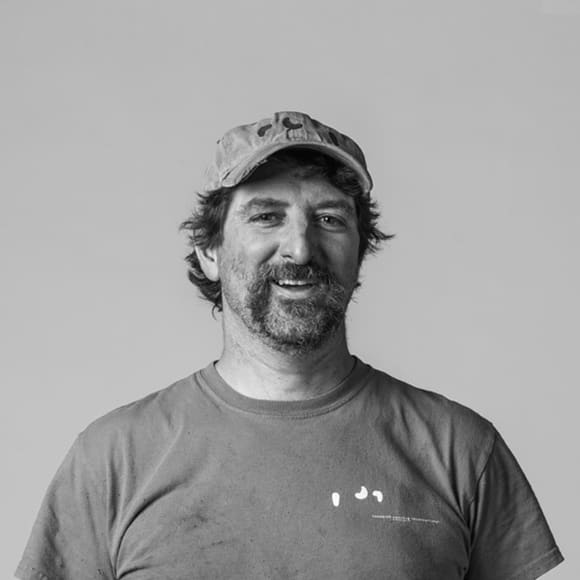
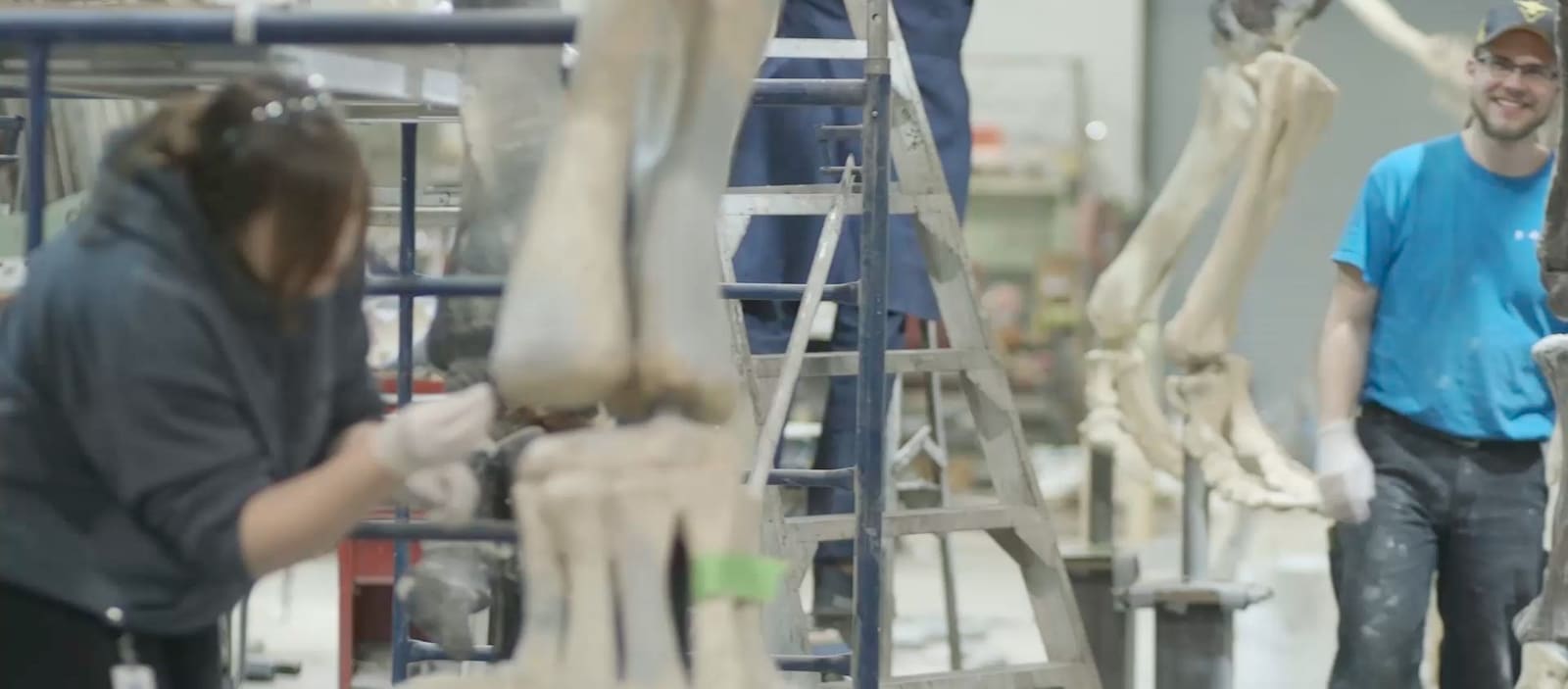
From the outside, RCI may look like a warehouse or manufacturing facility. Inside, however you’ll find something extraordinary. Not just the works-in-progress of paleontological specimens and casts in various stages of preparation, but an amazing multidisciplinary group of artists and technicians. RCI’s craftspeople typically learn on the job. They come from various backgrounds. Some have hard skills like blacksmithing or welding. But often as not what they have is the right attitude. When RCI relocated to Trenton, 80% of the people who had been working for the company in Beamsville (near St. Catharines) relocated along with the company. Those who have become as intrigued with the work as Peter May tend to stick around. The RCI team work hard, often with inflexible deadlines and always to exacting standards. It’s the kind of work that forges close ties.
Join Our Team
We are always interested in receiving resumes that we can keep on file. We would be looking for people who have skills in molding and casting, painting and sculpting, blacksmithing and metal fabrication, and fossil preparation.